

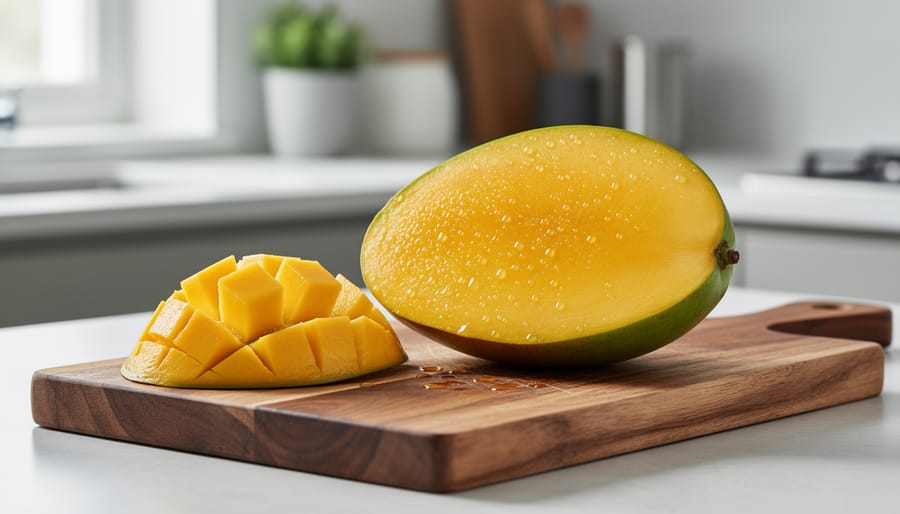
One medium mango delivers about 99 calories per cup, along with roughly 50% of your daily vitamin C, significant amounts of vitamin A, folate, and fiber, plus trace amounts of over 20 other vitamins and minerals. If you’re looking to understand exactly what this golden tropical fruit brings to your plate, the numbers tell a compelling story about why mangoes have earned their reputation as a nutritional powerhouse.
I’ll never forget the first time I truly paid attention to what I was eating. I was standing…
Category: Nutrition
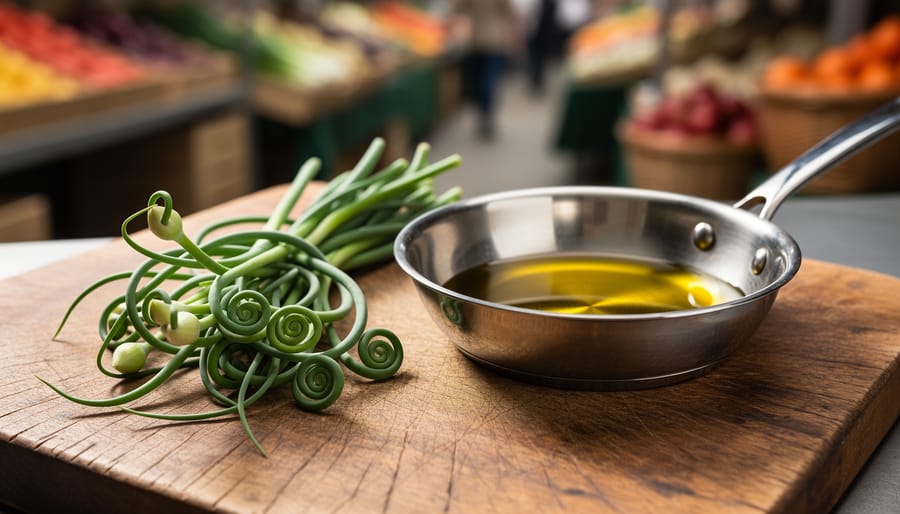
How to Cook Garlic Scapes: A Beginner’s Guide to This Seasonal Superfood
Cooking garlic scapes is simple: trim the woody ends, chop the tender green stems into pieces, and sauté them in olive oil for 3-5 minutes until bright green and crisp-tender. These curly, green shoots grow from hardneck garlic bulbs in late spring and early summer, offering a milder, slightly sweet garlic flavor that works beautifully in stir-fries, pestos, and roasted vegetable medleys.
If you spotted these spiral stalks at your farmers’ market and wondered what to do with them, you’re not alone. Scapes are one of those seasonal treasures that appear for only a few weeks each year, and they’re incredibly …
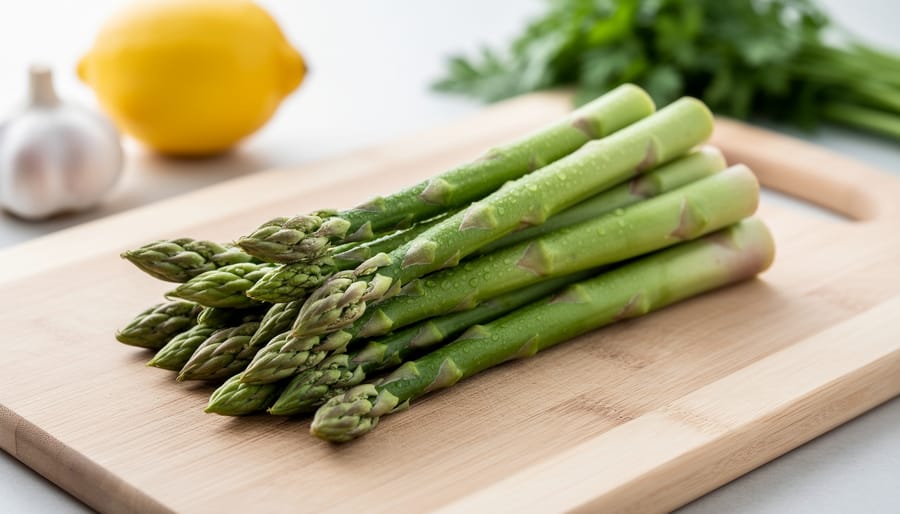
Asparagus Nutrition Facts: Why This Spring Vegetable Deserves a Spot on Your Plate
I still remember the first time I truly appreciated asparagus. Not as that mysterious green vegetable my grandmother served at Sunday dinners, but as a nutrition powerhouse that transformed how I approached spring cooking. One cup of cooked asparagus contains just 40 calories while delivering 4 grams of protein, 4 grams of fiber, and an impressive array of vitamins that support everything from bone health to cellular repair.
What makes asparagus particularly remarkable is its nutrient density. You’re getting 101% of your daily vitamin K needs, 57% of folate, and 34% of vitamin A in a single serving. That same cup provides …
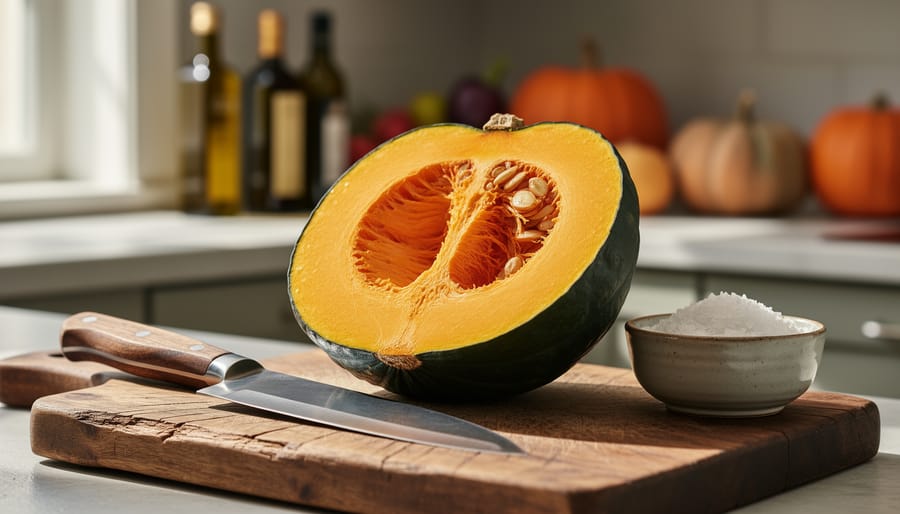
Why Kabocha Squash Might Be the Most Nutrient-Dense Food in Your Kitchen
I’ll never forget the first time I sliced into a kabocha squash. The deep orange flesh practically glowed, and I remember thinking it looked almost too beautiful to eat. That was five years ago, and it’s become one of my go-to vegetables for clients looking to add more nutrient density to their plates without the fuss of complicated meal prep.
If you’re researching kabocha squash nutrition, you’re probably wondering whether this Japanese pumpkin lives up to the hype. The short answer? Absolutely. One cup of cooked kabocha delivers just 40 calories while packing in 130% of your daily vitamin A, nearly 20% of …
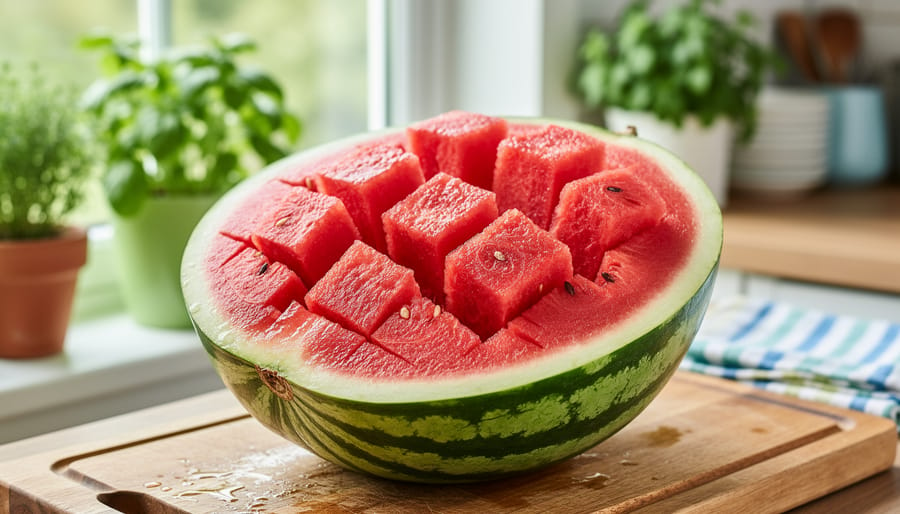
Why Watermelon Is Your Summer Hydration Hero (Plus the Nutrition Facts That Matter)
One cup of diced watermelon contains just 46 calories, making it one of the most refreshing ways to satisfy your sweet tooth while staying aligned with your wellness goals. I discovered this myself during a particularly hot summer when I was craving something sweet but didn’t want the sugar crash that usually followed my afternoon snacks. That’s when I started keeping watermelon in my fridge, and it completely changed how I thought about natural sweetness.
The nutritional profile is genuinely impressive. That same cup …
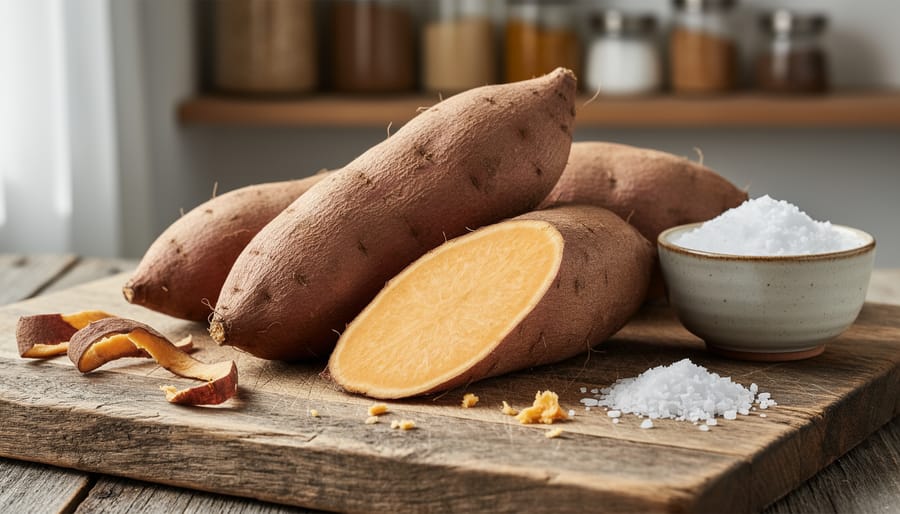
Yam Nutrition Facts: Why This Ancient Root Deserves a Place in Your Modern Wellness Plan
One medium yam (about 136 grams) delivers 158 calories, 37 grams of carbohydrates, 5 grams of fiber, and virtually no fat. You’ll also get an impressive 670 milligrams of potassium (19% of your daily needs), 28% of your daily manganese, and meaningful amounts of vitamin C, B6, and copper. These starchy tubers pack a nutritional punch that goes far beyond basic energy.
I first discovered yams while working with clients transitioning to more plant-based eating patterns in 2024. Many were surprised to learn that what they’d been calling “yams” at holiday dinners were actually sweet potatoes. True yams, common in…

The Best Plant-Based Protein Sources
Do you want to know the best plant-based protein sources? It doesn’t matter if you’ve been consuming plant-based foods regularly or if you want to incorporate plant-based protein into your meals. These best plant-based protein sources will benefit you.
Lentils
There are various kinds of lentils. Green lentils, black and red lentils, and French lentils are the most common. When cooked, French and black lentils keep their shape better. So, these are great when served on their own or combined in salads. Red lentils are the softest, so they break …

Tips on How to Start a Plant-Based Diet
These tips on how to start a plant-based diet may seem small, but they can make a big impact. Following a plant-based diet will eventually become second nature for you. Continue reading to know how you can begin your plant-based diet journey.
Drinking Plant-Based Milk
One of the easiest ways to start your plant-based diet journey is to replace your milk with plant-based milk such as cashew or milk. It’s recommended to choose plant-based milk without sugar and unfamiliar ingredients. You can make your own by straining a nut-milk bag and …
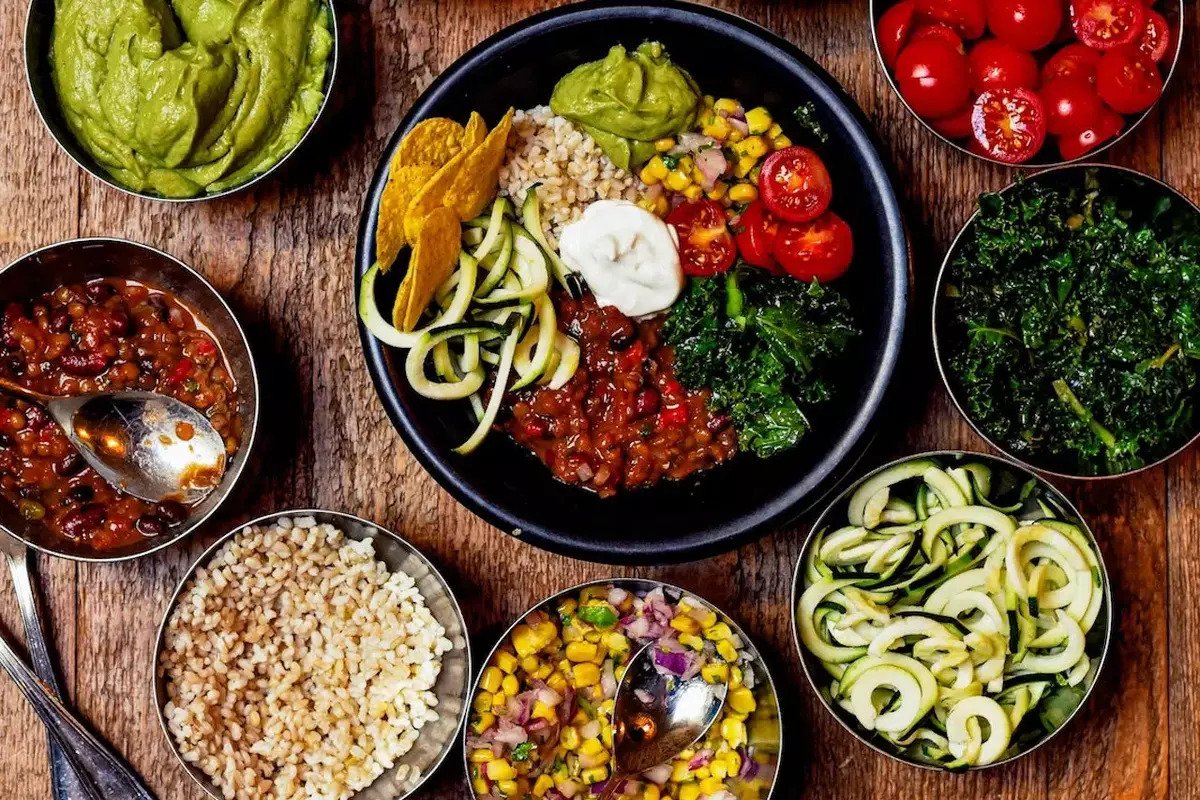
Everything You Need to Know About Plant-Based Diet
Put simply, a plant-based diet concentrates on fruits, vegetables, seeds, nuts, whole grains, and legumes. That means most of what’s on your plate should have these and should be consumed more in your diet. A plant-based diet is an eating method that’s based on plants.
Since you can think of it as a plant-centric diet, you have more flexibility with your diet while focusing on plant-based foods. But, following a plant-based diet doesn’t mean you can’t eat meat or animal products again. Eating plant-based meals means you have to have more legumes, whole …