

Finding creamy, indulgent vegan mac and cheese without cashews is absolutely possible across Canada, whether you’re shopping in-store at major grocers or ordering online from specialty plant-based retailers. The key is knowing which packaged brands explicitly label their products as nut-free and understanding how to verify ingredient lists for hidden tree nuts or cross-contamination warnings. Most nut-free options rely on potato, carrot, or sunflower seed bases instead of the cashew cream that dominates many vegan cheese recipes.
I know how frustrating it can be to navigate food allergies while embracing a plant-based lifestyle. A few years ago, when my niece was diagnosed with a tree nut allergy, I watched my sister struggle to find convenient vegan options that didn’t rely on cashews or almonds. That experience taught me how essential it is to have clear, practical guidance about where to shop and what to look for on labels.
The good news is that more brands are recognizing the need for nut-free alternatives. While recipes like the Hidden Veggies “Vegan Mac and Cheese without Cashews” (made without cashews, dairy, gluten, or soy) and Nora Cooks’ “Nut Free Vegan Cheese Sauce” show that homemade solutions exist, you don’t always have time to cook from scratch. This guide will walk you through the specific stores, product categories, and label-reading strategies that make finding ready-to-eat nut-free vegan mac and cheese straightforward and stress-free, so you can enjoy comfort food without compromise.
Why Nut-Free Matters for Plant-Based Eaters
Cashews have become the darling of vegan cheese-making, and for good reason. They’re creamy, mild, and blend into a silky sauce that mimics dairy remarkably well. Most plant-based cheese recipes lean heavily on cashews because they create that rich, indulgent texture we crave in comfort foods like mac and cheese. But this ubiquity creates a real barrier for anyone navigating a plant-based diet while managing nut allergies or sensitivities.
If you or someone in your household can’t have tree nuts, the vegan cheese landscape can feel frustratingly limited. Cashew allergies are serious and relatively common among those with tree nut sensitivities. Even trace amounts can trigger reactions, which means the “may contain” warnings on many vegan products aren’t just cautionary, they’re dealbreakers. Cross-contamination in manufacturing facilities poses another layer of concern, especially for families with children who have severe allergies.
I’ve heard from countless readers who feel stuck between their values and their health needs. One parent told me she was ready to give up on vegan mac and cheese entirely after her daughter’s allergist flagged every popular brand. That conversation stayed with me because plant-based eating should be accessible and inclusive, not another source of anxiety.
The good news? The market is catching up. Food manufacturers are responding to demand for nut-free alternatives that don’t sacrifice taste or texture. Recipes like Hidden Veggies’ Vegan Mac and Cheese without Cashews prove you can create creamy, satisfying cheese sauce using ingredients like potatoes, carrots, and nutritional yeast instead. This shift matters because it opens the door for more people to enjoy plant-based comfort food safely and confidently.
What to Look for When Shopping for Nut-Free Vegan Mac and Cheese
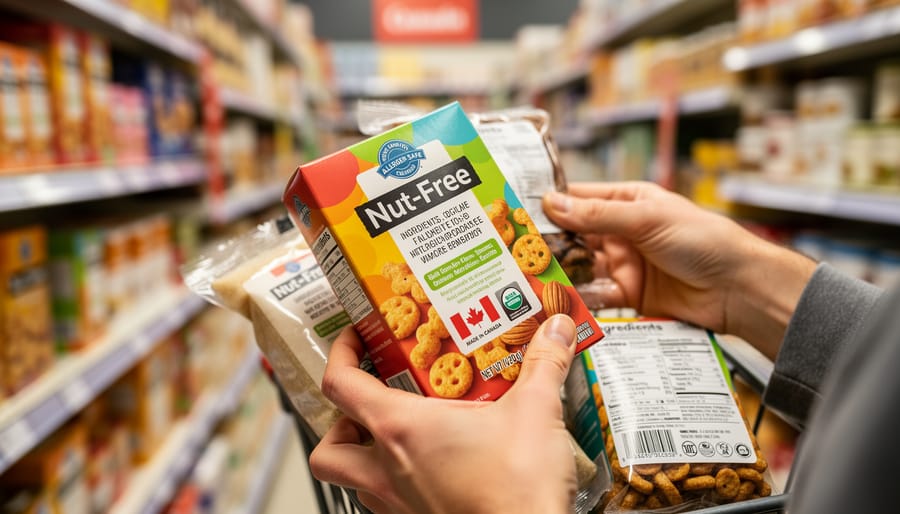
Shopping for nut-free vegan mac and cheese requires more than just skimming the front of the package. When I first started navigating allergen-safe plant-based options, I learned that careful label reading makes all the difference between a safe, satisfying meal and an unpleasant surprise.
Start with ingredient verification. You need to confirm the product is completely free of cashews, almonds, and other tree nuts while also being dairy-free. Many vegan cheese sauces default to cashews for creaminess, so you’ll want to read the label thoroughly. Look for base ingredients like sunflower seeds, potatoes, carrots, oats, or blends of nutritional yeast and tapioca starch instead.
Canada’s ingredients and allergen listing rules require clear identification of priority allergens, including tree nuts and milk. The allergen statement typically appears directly after the ingredient list in a “Contains” declaration. However, manufacturers may contain statements for potential cross-contamination, which is crucial if you have severe allergies. A “may contain tree nuts” warning means the product isn’t produced in a dedicated nut-free facility.
Before adding any product to your cart, verify these essentials:
- Complete absence of cashews, almonds, and all tree nuts in the ingredient list
- Clear “dairy-free” or “vegan” certification on the packaging
- Allergen statement confirming no tree nut content
- Cross-contamination warnings if you have severe allergies
- Nutritional information showing adequate plant-based protein and calcium
Nutritional quality varies widely across nut-free options. Check the protein content per serving (aim for at least 3-5 grams) and look for fortification with calcium and B12, which you’d typically get from dairy. Some products lean heavily on starch and offer minimal nutrition beyond carbohydrates.
Texture expectations matter, too. Nut-free vegan cheese sauces won’t replicate cashew-based versions exactly. Expect a slightly different mouthfeel, often achieved through potato, oat, or seed-based formulas. Products with certification from programs like the Canadian Celiac Association (if you need gluten-free) or dedicated allergen-safe facilities provide extra reassurance, though they’re not always necessary for every shopper.
Types of Nut-Free Vegan Mac and Cheese Products
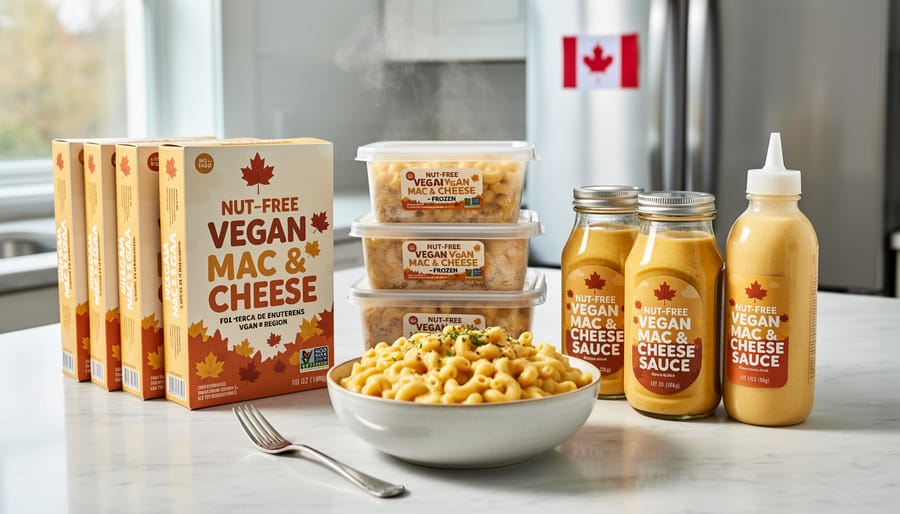
The Canadian market offers nut-free vegan mac and cheese in five main formats, each suited to different lifestyles and priorities. Understanding these categories helps you choose products that fit your schedule, storage space, and expectations for taste and texture.
Boxed instant kits are the most common format. You’ll find a pasta pouch plus a separate cheese powder or sauce packet. These typically use potato starch, tapioca flour, or nutritional yeast as the base for the cheese flavor. They cook in about ten minutes and store unopened for months in your pantry. They’re ideal for quick weeknight meals and work well for families transitioning to plant-based eating, though the texture can be grainier than fresh versions.
Frozen prepared meals arrive fully cooked in single-serve or family-size trays. You heat them in the oven or microwave for fifteen to twenty minutes. The cheese sauce usually starts from a sunflower seed, oat, or coconut base. Frozen options last several months and deliver better creaminess than shelf-stable kits because the sauce stays emulsified during freezing. They cost more per serving but save prep time entirely.
Shelf-stable sauce packets give you just the cheese component, letting you choose your own pasta. These pouches or jars typically rely on coconut cream, white beans, or carrot-butternut purées for body. They keep six to twelve months unopened and reheat easily. This format works for people who want control over pasta type and portion size, or who need gluten-free alternatives not offered in boxed kits.
Dry cheese powder mixes offer the lightest pantry footprint. You add your own plant milk and pasta, adjusting the thickness to your preference. The powder base is often nutritional yeast blended with tapioca starch, garlic, onion, and turmeric for color. They’re the most budget-friendly option and the easiest to pack for camping or travel, though they require you to make a roux or blend the powder smoothly to avoid lumps.
| Product Type | Prep Time | Shelf Life | Typical Base | Best For |
|---|---|---|---|---|
| Boxed instant kit | 10 minutes | 6-12 months | Potato starch, nutritional yeast | Convenience, families |
| Frozen prepared | 15-20 minutes | 3-6 months | Sunflower seed, oat, coconut | Creamiest texture, no-prep meals |
| Shelf-stable sauce | 5-10 minutes | 6-12 months | Coconut cream, white beans, squash | Pasta flexibility, portioning control |
| Dry powder mix | 12-15 minutes | 12-18 months | Nutritional yeast, tapioca | Budget, travel, customization |
Refrigerated fresh options are rarer but gaining traction in specialty stores. These use fresh vegetables or seed-based sauces and must be eaten within a week of opening. They taste closest to homemade versions because they skip stabilizers and preservatives, making them appealing for anyone prioritizing whole-food ingredients. The downside is limited availability and higher spoilage risk if you don’t eat them quickly.
Your choice depends on what matters most. If convenience wins, grab a boxed kit. If you want creaminess and don’t mind freezer space, choose frozen. For ingredient control or a tighter budget, powders and separate sauces give you flexibility. Testing one option from each category helps you find your go-to format.
Where to Buy Nut-Free Vegan Mac and Cheese in Canada
Brick-and-Mortar Retail Options
When you’re shopping in person, start with the natural foods or health foods section of major grocery chains, this is where most Canadian supermarkets stock plant-based and allergen-friendly products. Look for boxed mac and cheese kits, refrigerated cheese sauces, or frozen prepared meals that clearly state “nut-free” or “cashew-free” on the label. Stores like Loblaws, Metro, Sobeys, and Whole Foods often dedicate shelf space to vegan products, though selection varies by location.
Check the allergen-friendly aisle if your store has one. These sections group products by dietary restriction, making it easier to spot nut-free options without reading every label. You’ll sometimes find vegan mac and cheese here alongside gluten-free or dairy-free alternatives.
Independent vegan specialty shops and health food co-ops are worth visiting, too. Staff at these stores tend to be knowledgeable about ingredients and can point you toward nut-free brands they carry. Don’t hesitate to ask, they may stock products that aren’t prominently displayed or can order specific items for you.
If you don’t see what you need, request it. Most stores track customer requests and use them to inform purchasing decisions. I’ve had success asking store managers to bring in specific products, especially when I explain it’s for an allergy rather than just a preference.
Online Shopping Strategies
Shopping online for nut-free vegan mac and cheese requires a methodical approach to avoid disappointment. Start by using specific search terms like “nut-free vegan mac and cheese,” “cashew-free plant-based mac and cheese,” or “allergen-friendly vegan cheese sauce” rather than generic “vegan mac and cheese,” which will return mostly cashew-based options.
Most major online retailers let you filter by dietary restrictions. Look for allergen filters that exclude tree nuts and cashews specifically, not just “nut-free” (which sometimes only means peanut-free). Always read the full ingredient list on the product page, even after filtering, automated categorization isn’t perfect.
Pay attention to verified purchase reviews that mention texture, creaminess, and allergen safety. Reviews from buyers with nut allergies are especially valuable. Check whether the reviewer is in Canada, since formulations can differ by region.
Before checkout, confirm the seller ships to your province and verify the ingredient sourcing. Some international products marketed as nut-free may use different formulations than their Canadian equivalents. Check the product details for a Canadian nutrition facts table or bilingual labeling, which indicates it’s intended for the Canadian market. If allergen information seems vague or contradictory, contact the seller directly before ordering.
Recommended Nut-Free Vegan Mac and Cheese Options
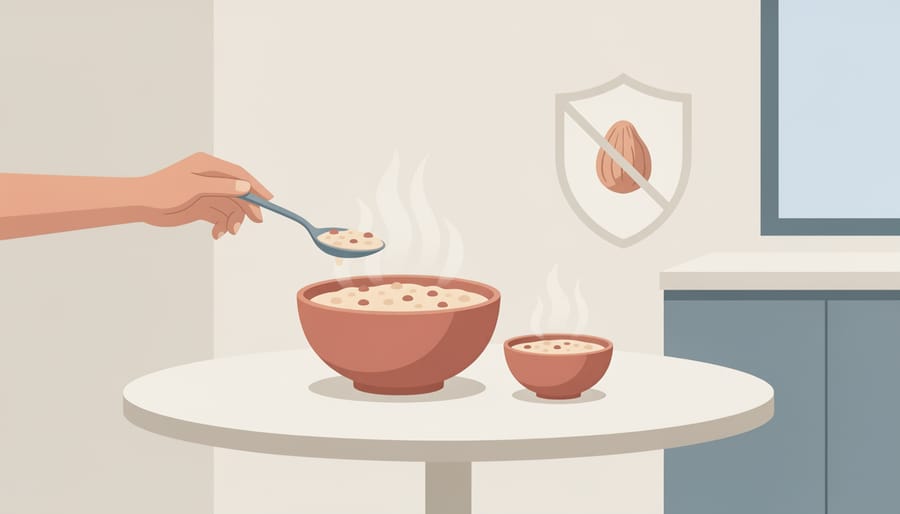
When you’re choosing nut-free vegan mac and cheese products, you’re essentially looking for the same qualities that make homemade versions successful. The best packaged options mirror what works in tested recipes: they use whole-food bases like potatoes, carrots, or sunflower seeds for creaminess, nutritional yeast for that cheesy tang, and clean seasonings for depth. If you’ve seen recipes like Hidden Veggies’ Vegan Mac and Cheese without Cashews or The Vegan Larder’s Baked Vegan Mac & Cheese without cashews, you’ll notice they rely on vegetables and plant milks rather than tree nuts to create that rich, comforting sauce.
Start by reading the ingredient list carefully. Quality nut-free products typically feature recognizable ingredients: potatoes, carrots, nutritional yeast, plant-based milk (like oat or soy), tapioca starch for stretch, and seasonings like garlic and onion powder. Avoid products with long lists of fillers, excessive oils, or vague terms like “natural flavours” that might hide allergens. Look for brands that clearly state “cashew-free” or “tree nut-free” on the front label, and check the allergen statement to confirm no cross-contamination warnings.
For texture, nut-free versions can be just as creamy as their cashew-based counterparts. The best ones use starch or blended vegetables to achieve that smooth, clingy consistency. If you’re buying a boxed mix, expect a slightly different mouthfeel than fresh or frozen options, but it should still coat the pasta well and not feel gritty or watery. Nutritionally, compare protein content (aim for at least 5-7 grams per serving if fortified), calcium levels, and whether the product includes B12 or other nutrients commonly found in vegan cheese Canada options.
Value matters too. Packaged nut-free mac and cheese can range widely in price, so consider cost per serving and whether the ingredient quality justifies the expense. If a product uses organic vegetables, fortified plant milk, and minimal processing, a higher price makes sense. Conversely, if it’s mostly refined starches and flavourings, you might be better off making your own using recipes like Nora Cooks’ Nut Free Vegan Cheese Sauce or Natural Lie Plant Based’s Creamy Vegan Mac & Cheese as guides. Homemade versions let you control ingredients, adjust flavours, and often cost less per portion while delivering the same comforting result.
Common Mistakes to Avoid When Buying Nut-Free Vegan Products
Even as a registered dietitian who’s been guiding clients through plant-based transitions for years, I’ve watched well-meaning shoppers bring home products they thought were nut-free, only to discover cashew powder listed halfway down the ingredient panel. These mistakes happen because the vegan cheese market has grown faster than clear labeling standards, and it’s genuinely confusing out there.
The biggest pitfall is assuming that any vegan mac and cheese without obvious cashews is automatically nut-free. Many brands use cashew derivatives with names that don’t immediately signal their origin, cashew butter, cashew cream, or even “natural flavors” that contain nut extracts. I’ve seen clients react to products they believed were safe because the front label emphasized “dairy-free” without addressing tree nuts at all.
Here’s what trips people up most often when reading labels:
- Skipping the “may contain” or “processed in a facility with” warnings, which matter for severe allergies even if cashews aren’t in the ingredient list
- Not recognizing that coconut is classified as a tree nut by some manufacturers, appearing in allergen warnings despite being safe for most with cashew allergies
- Trusting front-of-package claims like “plant-based” or “allergen-friendly” without verifying the actual ingredient list on the back
- Overlooking nutritional labels that reveal suspiciously high fat content, often a clue that cashews or other nuts provide the creaminess
- Buying based on recipe inspiration photos that show homemade versions, then assuming the packaged product uses identical nut-free ingredients
Another common oversight is ignoring nutritional gaps in heavily processed nut-free alternatives. Some products remove cashews but don’t replace the protein, healthy fats, or fortification those nuts provided, leaving you with a product that’s safe but not particularly nourishing. That doesn’t mean you shouldn’t buy it, just that you’ll want to round out the meal with protein-rich sides or a fortified plant milk.
The good news? Once you know what to look for, label reading becomes second nature, and you’ll spot the truly safe options quickly.
Main Options Compared
When you’re ready to start plant-based eating without cashews, you’ll choose between boxed kits, frozen meals, and homemade approaches, each with different trade-offs.
Boxed instant kits offer convenience and shelf stability, but you’ll need to verify every ingredient panel since some brands sneak in cashew powder or tree nut derivatives. These work well for quick meals when you’re traveling or short on time, though texture can vary from gritty to surprisingly creamy depending on the base (usually potato, tapioca, or nutritional yeast).
Frozen prepared meals save you the cooking step entirely and often deliver better texture since manufacturers can use techniques home cooks can’t replicate. The downside? Limited selection in the nut-free category, higher cost per serving, and you’re locked into whatever seasoning profile the brand chose.
Homemade versions using recipes like those from Hidden Veggies or The Vegan Larder give you complete control over ingredients, allergen safety, and flavor. You’ll invest more time upfront, but you can batch-cook and freeze portions yourself, matching the convenience of store-bought without the ingredient uncertainty or markup.
Recommendations by Use Case
For severe nut allergies: Prioritize products with dedicated nut-free facility certifications, not just “free from” claims on the front of the box. Look for certified allergen-safe labels and contact manufacturers directly to confirm their cross-contamination protocols. Homemade versions using recipes like Hidden Veggies’ Vegan Mac and Cheese (made without cashews, dairy, gluten, or soy) give you complete control over ingredients and preparation surfaces.
For quick weeknight meals: Boxed instant kits offer the fastest prep, typically under 10 minutes. Check that the cheese powder or sauce packet lists its base (usually potato, nutritional yeast, or coconut) and contains no hidden nut derivatives. Keep a couple boxes in your pantry for those nights when cooking from scratch isn’t realistic.
For budget-conscious shoppers: Dry cheese powder mixes and shelf-stable sauce packets stretch further per serving than frozen or refrigerated options. Making your own using recipes like Nora Cooks’ Dairy Free Mac and Cheese (which is nut-free) costs even less and lets you buy staple ingredients in bulk.
For maximum creaminess: Look for products with coconut milk or blended vegetables as the base. These tend to deliver richer texture than nutritional-yeast-only formulas, though you’ll sacrifice some protein content.
Frequently Asked Questions
What replaces cashews in nut-free vegan mac and cheese?
Most nut-free versions use a base of potatoes, carrots, or white beans blended with nutritional yeast, plant milk, and seasonings to create creaminess. Some products use sunflower seeds or coconut cream as alternatives, while others rely on starches and plant-based thickeners to achieve a similar texture.
Is nut-free vegan mac and cheese as creamy as cashew versions?
Yes, when formulated properly. Recipes like those from Hidden Veggies and The Vegan Larder demonstrate that vegetable-based sauces can be just as smooth and rich. The key is blending thoroughly and using the right ratio of starch to liquid, though the flavour profile may be slightly different from cashew-based versions.
Are these products safe for severe nut allergies?
It depends on the specific product and manufacturing practices. Always check the full ingredient list and look for “may contain” warnings about cross-contamination. For severe allergies, contact the manufacturer directly to confirm their allergen control processes, or choose certified allergen-free products.
Can I find options that are both gluten-free and nut-free?
Absolutely. Many nut-free vegan mac and cheese products use rice pasta, corn pasta, or other gluten-free alternatives. The Hidden Veggies recipe, for example, is made without cashews, dairy, gluten, or soy, showing that multiple allergen exclusions are possible in one product.
How should I store nut-free vegan mac and cheese products?
Storage varies by product type: shelf-stable boxed kits and dry mixes keep in your pantry until opened, frozen meals stay in the freezer until ready to heat, and refrigerated fresh options need to be kept cold and used within a few days. Always follow package instructions for both unopened and leftover storage.
Do nut-free versions provide the same nutrition as cashew-based mac and cheese?
The nutritional profile differs depending on the base ingredients. Cashew versions typically offer more protein and healthy fats, while vegetable-based options may provide more fiber and vitamins. Look for fortified products or those with added protein sources like white beans if you’re concerned about meeting specific nutritional needs.
These questions reflect what I hear most often from readers navigating nut-free plant-based eating. The texture concern is real, but I’ve been genuinely impressed by how creamy potato-based sauces can be when you get the technique right. When I first started experimenting with nut-free versions for a friend with allergies, I was skeptical they’d match the richness I loved. What I discovered was that they’re not trying to be identical, they’re offering something just as satisfying in their own way.
The allergen safety question deserves your careful attention. Even products labeled nut-free can have cross-contamination risks if manufactured in facilities that process tree nuts. I encourage you to become comfortable reaching out to customer service teams with specific questions about their production lines. Most companies I’ve contacted have been transparent and helpful, and that direct communication gives you control and peace of mind that packaging alone can’t provide.
Finding nut-free vegan mac and cheese in Canada might have felt like an impossible challenge when you started your search, but now you know it doesn’t have to be. Whether you’re checking ingredient lists at your local grocery store, filtering allergen options online, or experimenting with homemade versions inspired by recipes like those from Hidden Veggies or Nora Cooks’ Dairy Free Mac and Cheese, you have real choices that don’t compromise on flavour or safety.
I’ve been there, standing in the aisle, reading every label, wondering if plant-based eating could ever feel truly inclusive. What I’ve learned is that food accessibility isn’t just about what’s available; it’s about knowing where to look and what questions to ask. The Canadian market is growing, and more brands are recognizing that allergen-friendly doesn’t mean sacrificing comfort or taste.
Start with one option that feels right for your needs and budget. Try a boxed kit from the natural foods section, order something online, or make a batch at home using potatoes and nutritional yeast. Pay attention to how it tastes, how your body responds, and whether it brings you the satisfaction you’re looking for.
You deserve meals that are both safe and delicious. Plant-based nutrition can absolutely include you, and navigating this space gets easier each time you advocate for your needs. Keep asking questions, keep reading labels, and know that you’re part of a community working toward more inclusive, accessible plant-based options for everyone.