

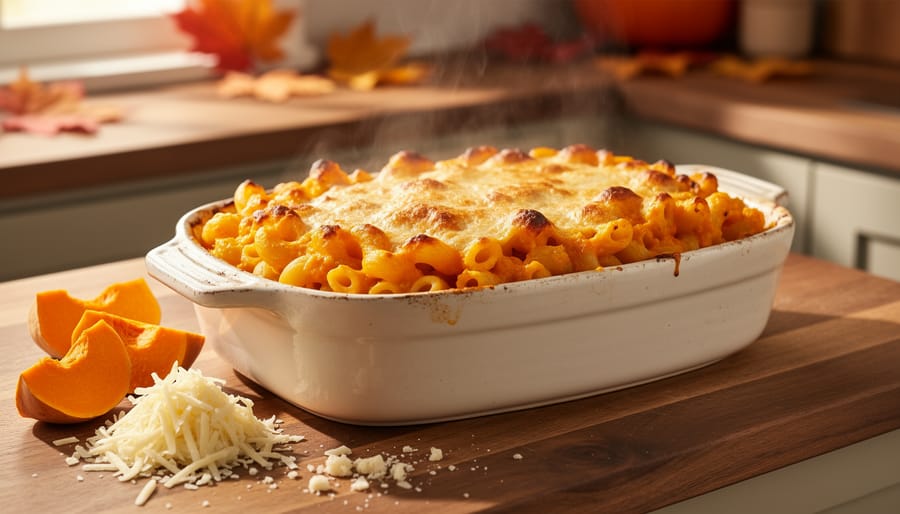
Butternut squash mac and cheese is a creamy, cozy dinner you can make at home in about an hour, and it’s easier than it sounds.
Category: Recipes
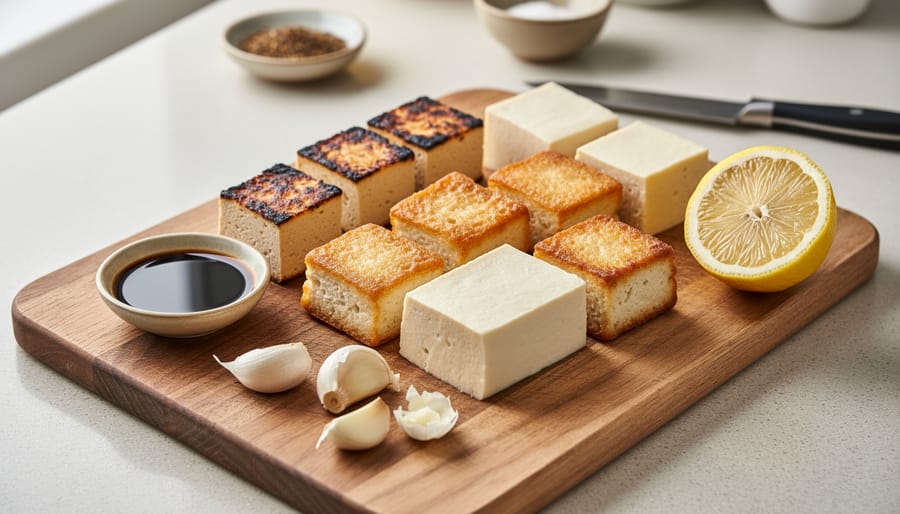
7 Easy Tofu Recipes for Beginners to Get Started with High-Protein Plant-Based Meals
Tofu doesn’t have to be bland or mushy. The easiest way to get it right as a beginner is to start with a simple method that does the work for you: broil…
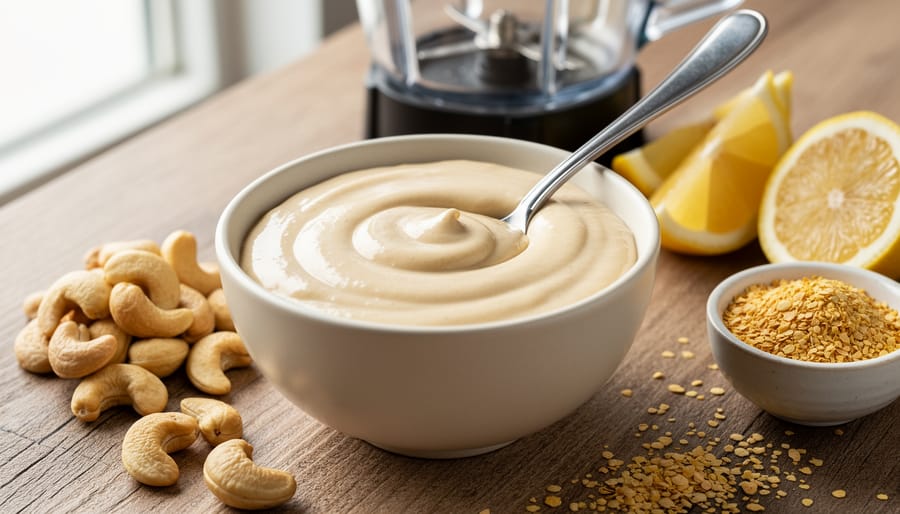
How to Make Vegan Cashew Cheese Sauce in a Blender (Creamy, Simple, and Dairy-Free)
Vegan cashew cheese sauce takes about 10 minutes of hands-on time and one blender.
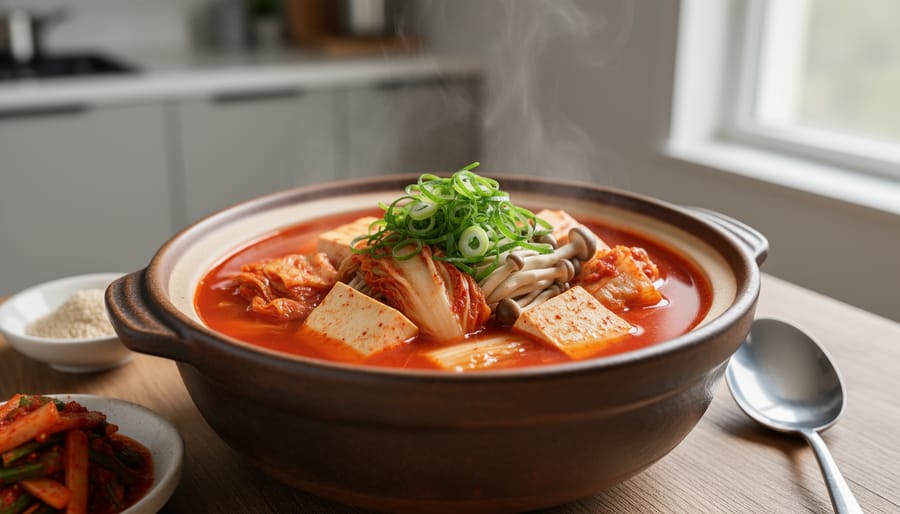
How to Make Tofu Stew at Home in 20 Minutes (Cozy, Plant-Based, and Flexible)
A good tofu stew takes about 20 minutes, needs one pot, and works with whatever heat level feels right for you.
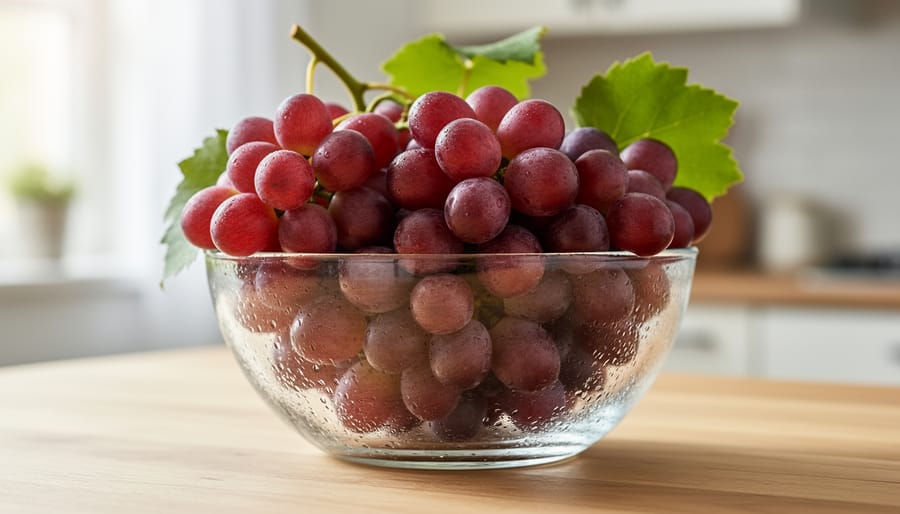
Red Grapes Nutrition: What One Cup Actually Gives You
A cup of red grapes (151 grams) gives you 104 calories, 27 grams of carbohydrates, 1.4 grams of fibre, 1 gram of protein and just 0.2 grams of fat.
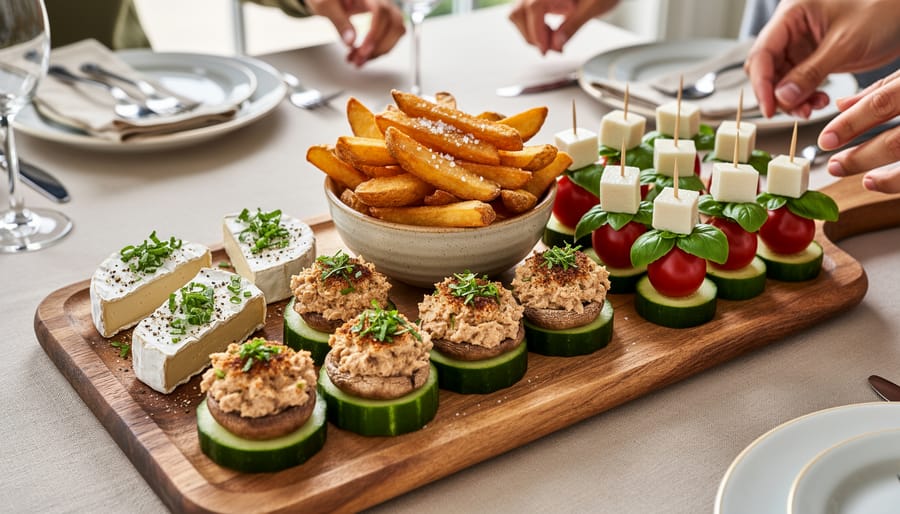
8 Vegan Appetizers to Bring to Your Next Gathering
The best vegan appetizers are the ones you can make ahead, eat with your hands, and pass around without anyone asking what’s in them.
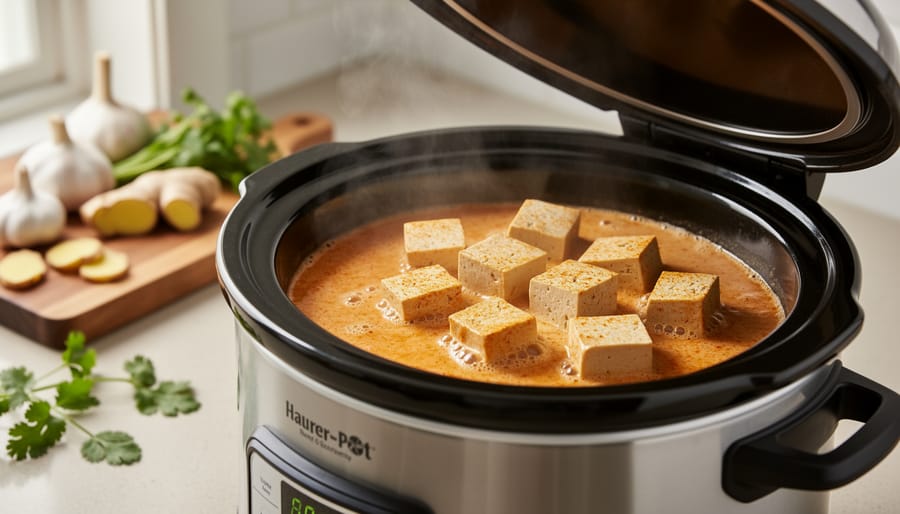
How to Make Perfect Tofu in a Slow Cooker (Simple Steps for Flavorful Plant-Based Meals)
Yes, you can make incredible tofu dishes in your slow cooker. The secret is simple: add your tofu during the last 30 to 60 minutes of cooking, not at the beginning. This timing allows the tofu to absorb rich, slow-simmered flavors without turning mushy or falling apart.
I’ll be honest. When I first considered slow cooking tofu years ago, I hesitated. Tofu already has a reputation for being tricky, and the slow cooker seemed like a recipe for disaster. But after experimenting with different techniques while developing plant-based diet…
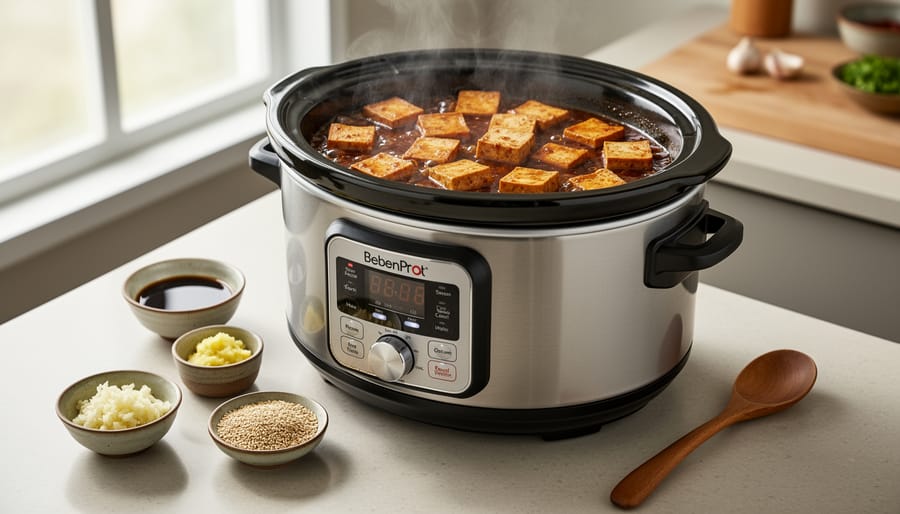
How to Cook Tofu in a Slow Cooker (Simple Steps for Tender, Flavorful Results)
Cooking tofu in a slow cooker transforms this versatile protein into tender, flavor-soaked perfection with almost zero hands-on effort. The gentle, prolonged heat allows tofu to absorb marinades and sauces completely, creating deeply seasoned pieces that work beautifully in everything from BBQ sandwiches to curries. Unlike stovetop methods that require constant monitoring and flipping, slow cooker tofu practically takes care of itself while you go about your day.
Key Takeaway: Slow cooker tofu delivers hands-off convenience, exceptional flavor absorption, and endless versatility for satisfying…
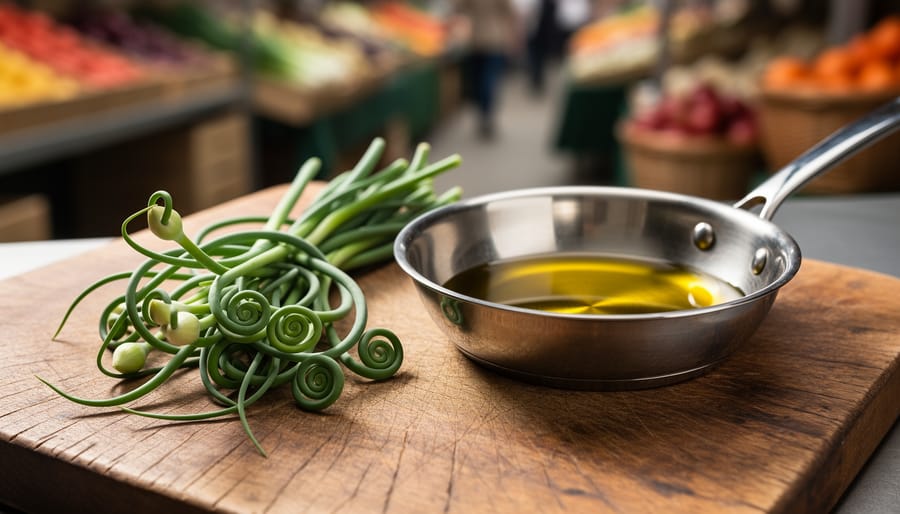
How to Cook Garlic Scapes: A Beginner’s Guide to This Seasonal Superfood
Cooking garlic scapes is simple: trim the woody ends, chop the tender green stems into pieces, and sauté them in olive oil for 3-5 minutes until bright green and crisp-tender. These curly, green shoots grow from hardneck garlic bulbs in late spring and early summer, offering a milder, slightly sweet garlic flavor that works beautifully in stir-fries, pestos, and roasted vegetable medleys.
If you spotted these spiral stalks at your farmers’ market and wondered what to do with them, you’re not alone. Scapes are one of those seasonal treasures that appear for only a few weeks each year, and they’re incredibly …
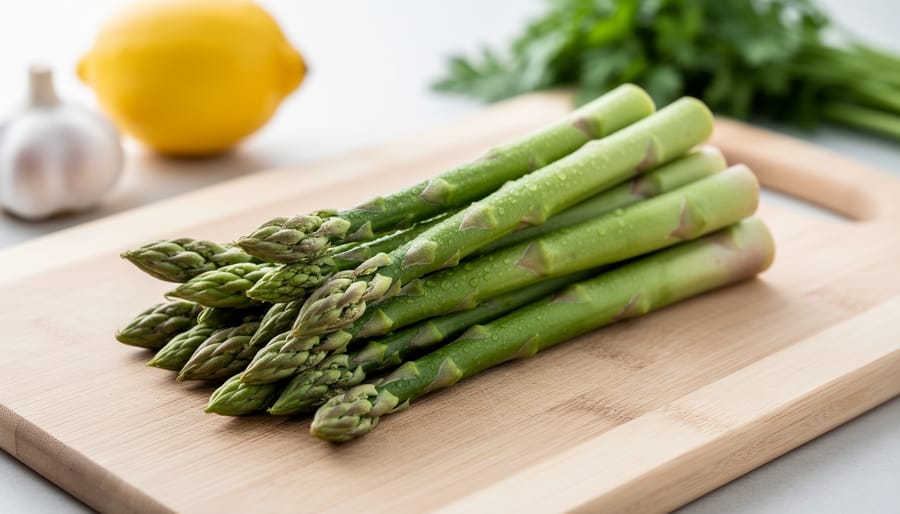
Asparagus Nutrition Facts: Why This Spring Vegetable Deserves a Spot on Your Plate
I still remember the first time I truly appreciated asparagus. Not as that mysterious green vegetable my grandmother served at Sunday dinners, but as a nutrition powerhouse that transformed how I approached spring cooking. One cup of cooked asparagus contains just 40 calories while delivering 4 grams of protein, 4 grams of fiber, and an impressive array of vitamins that support everything from bone health to cellular repair.
What makes asparagus particularly remarkable is its nutrient density. You’re getting 101% of your daily vitamin K needs, 57% of folate, and 34% of vitamin A in a single serving. That same cup provides …