

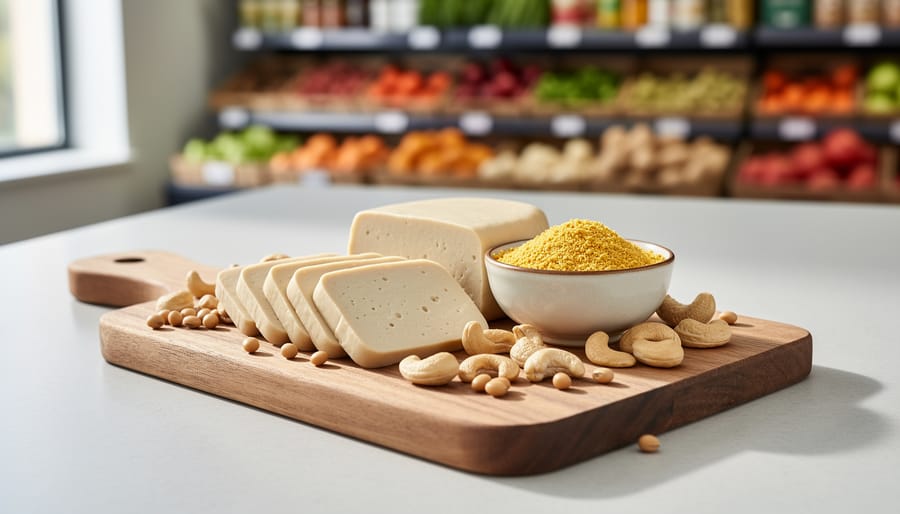
Vegan cheese is a plant-based alternative to dairy cheese, made entirely without animal products like milk, cream, rennet, or whey. Instead, it’s crafted from ingredients such as nuts (especially cashews), coconut oil, soy, nutritional yeast, starches, and plant-based milk.
If you’ve recently started exploring a plant-based diet or simply want to reduce dairy consumption, you’ve probably stood in the grocery aisle staring at vegan cheese packages, wondering what’s actually inside. The ingredient lists can look intimidating, and the sheer variety of products makes it tough to know which ones align with your health goals.
Here’s the truth: not all vegan cheeses are created equal. Some are packed with whole-food ingredients like cultured cashews and minimal additives, while others rely heavily on refined oils and starches that might not support your wellness journey the way you’d hope. Canadian food labeling regulations require ingredients to be listed in descending order by weight, which gives you valuable insight, but only if you know what to look for.
This guide will walk you through exactly what goes into vegan cheese, how different ingredients affect taste and nutrition, and most importantly, how to read those labels with confidence. You’ll learn which ingredients signal a higher-quality product, what terms like “modified starch” and “bacterial cultures” really mean, and how to choose options that fit your personal health priorities. Whether you’re managing food sensitivities, looking for cleaner ingredients, or just curious about what makes vegan mozzarella melt, you’ll finish this article equipped to make informed choices that feel right for your body.
What Vegan Cheese Really Is
Vegan cheese is a plant-based alternative to dairy cheese, crafted entirely without animal products. That means no milk, no cream, no rennet, and no whey. Instead, vegan cheese is built from ingredients like nuts (usually cashews), coconut oil, soy or tofu, seeds, grains, plant-based milks, nutritional yeast, agar agar, tapioca starch, and chickpea.
Think of vegan cheese as a creative kitchen project where plant ingredients are combined to recreate what we love about dairy cheese: richness, creaminess, sometimes that satisfying stretch when melted. The exact ingredient mix varies widely depending on the type and brand. Some vegan cheeses lean heavily on coconut oil for fat and creaminess, while others use blended cashews as the base. You’ll also find varieties built on soy, starches, or a combination of several plant sources working together.
Understanding this foundation helps you make sense of the ingredient lists you’ll encounter in Canadian grocery stores. Each ingredient serves a purpose, whether it’s adding protein, creating texture, or delivering that umami flavor we associate with aged cheese. As you become familiar with these building blocks, reading labels becomes less intimidating and more empowering.
The Building Blocks: What Goes Into Vegan Cheese
Fat Bases: Coconut Oil and Nuts
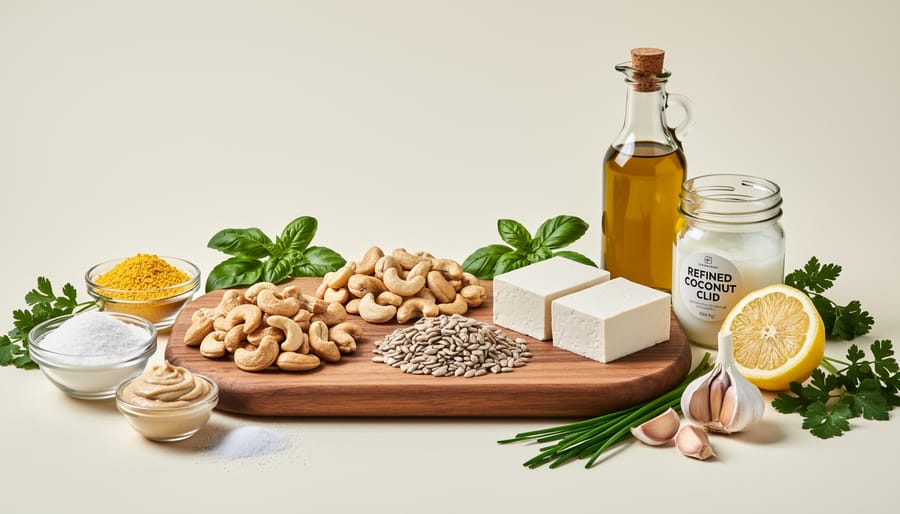
When you flip over a package of vegan cheese in your local grocery store, coconut oil and cashews will almost always top the ingredient list. There’s a good reason for this: these two ingredients form the foundation that makes plant-based cheese feel and taste like the real thing.
Coconut oil provides the creamy, slightly fatty mouthfeel you expect from cheese. Because it solidifies at room temperature but melts when heated, it mimics how dairy cheese behaves. You’ll see it listed first or second on most labels because it often makes up the largest proportion by weight, as required by Canadian labeling rules. The oil itself is neutral enough not to overpower other flavors while still delivering that satisfying richness.
Cashews are the workhorse of vegan cheesemaking. Their mild flavor and high fat content create a smooth, thick base when blended. Unlike almonds or other nuts, cashews break down into an almost butter-like texture without needing to be strained, which is why cheesemakers favor them for everything from soft spreads to firm blocks. When you see cashews near the top of an ingredient list, you’re looking at a product that will likely have a creamier, more authentic texture.
Together, these fat bases replace what dairy naturally provides, giving vegan cheese its body and substance.
Protein Sources: Soy, Tofu, and Legumes
Soy and tofu appear on many vegan cheese labels because they bring something dairy-free alternatives really need: protein and a neutral base that holds flavor well. When you spot tofu or soy protein isolate near the top of an ingredient list, you’re looking at a cheese designed to deliver more than just taste. These ingredients give the product structure and a creamy body while contributing a solid dose of plant-based protein that helps the cheese satisfy hunger like its dairy counterpart would.
Tofu works particularly well in soft, spreadable vegan cheeses because it blends smooth and takes on seasonings beautifully. Soy protein isolate, a more concentrated form, shows up in firmer varieties and shreds where manufacturers need extra binding power. You’ll also see chickpea listed on some labels, especially in newer brands. Chickpea adds protein plus a slightly earthy flavor, and it creates a denser texture that works well in sliceable blocks.
For Canadian shoppers building a plant-based diet, these protein-rich bases matter. They transform vegan cheese from a simple condiment into something closer to a genuine food component, giving you nutritional substance alongside the satisfaction of cheese-like flavor and melt.
Texture and Binding Agents
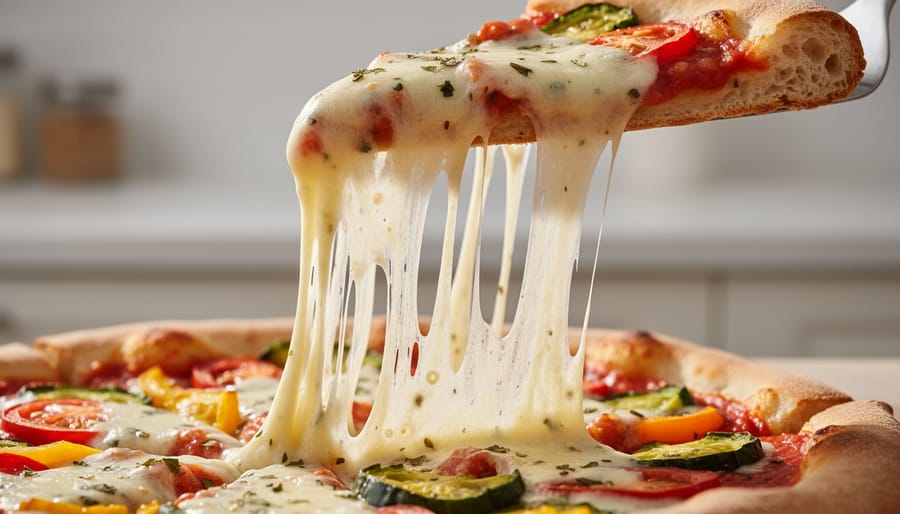
If you scan a vegan cheese ingredient list, you’ll often spot starches and gums after the base fats and proteins. These ingredients are the unsung heroes that give vegan cheese its stretchiness, melt, and structure, the qualities that make it actually feel like cheese rather than a nut paste.
Tapioca starch appears in nearly every meltable vegan cheese because it creates that satisfying stretch when heated. It thickens the mixture and helps it hold together without becoming greasy or separating. You’ll see modified potato starch or arrowroot starch playing similar roles, especially in shreds designed for pizza or grilled sandwiches.
Agar agar, derived from seaweed, acts as a plant-based gelatin that firms up soft cheeses and helps sliceable varieties hold their shape. It sets at room temperature, which is why some vegan cheeses need refrigeration to maintain their form. Carrageenan, another seaweed extract, contributes creaminess and stability, particularly in softer spreads and cream cheese alternatives.
Look for xanthan gum or guar gum further down ingredient lists. These bind moisture and prevent separation, keeping your cheese smooth rather than grainy. They work in tiny amounts, so they appear near the end despite being crucial to texture. Together, these binding agents transform simple plant ingredients into something that melts over nachos, stretches on pizza, and slices cleanly for sandwiches.
How Vegan Cheese Is Made
Most vegan cheese starts with a base of blended nuts, seeds, or coconut oil mixed with plant-based milk or water. Cashews dominate because they blend into an incredibly smooth, creamy paste that mimics dairy’s richness without adding a strong flavor. The blending stage breaks down these fat sources until they’re silky, creating the foundation for texture.
From there, production methods split into two main approaches. The simpler route skips fermentation entirely: manufacturers add starches like tapioca or potato starch along with thickening agents such as agar agar or carrageenan, then blend in nutritional yeast for that savory, cheesy flavor. They might add lactic acid or citric acid to mimic the tang of dairy cheese. This mixture gets heated to activate the starches and thickeners, then poured into molds to set as it cools. You’ll find this method in most shreds and slices, it’s faster and produces consistent meltability.
The cultured route takes longer but delivers deeper flavor complexity. Producers inoculate the blended nut or soy base with probiotic cultures (similar to those used in yogurt), then let the mixture ferment for hours or even days. During fermentation, the cultures break down proteins and create tangy, umami-rich notes that taste remarkably close to aged dairy cheese. After culturing, they might add the same thickeners and mold the cheese, or age it further to develop a rind and intensify the flavor. This explains why artisan vegan cheeses often list “cultures” near the top of the ingredient list and cost more.
Both methods can incorporate flavoring ingredients at different stages: herbs, garlic, smoke, or even miso paste for extra depth. The timing of when starches get added and heated determines whether you’ll end up with a soft spread, a firm block, or stretchy shreds. Understanding these production differences helps you predict how a vegan cheese will behave in your kitchen just by scanning its ingredient list.
Different Types of Vegan Cheese You’ll Find
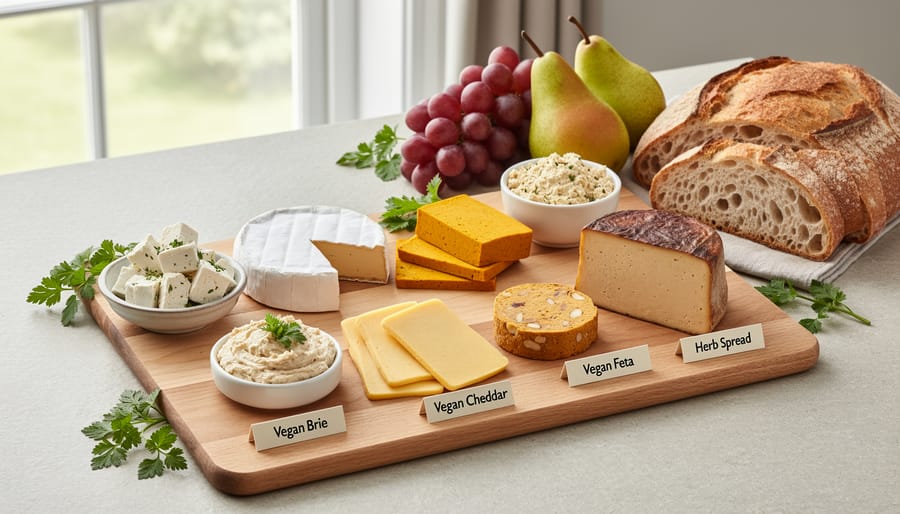
Walk into any well-stocked Canadian grocery store and you’ll find vegan cheese in several distinct formats, each designed for different purposes and built from different ingredient combinations. Understanding these categories helps you predict what’s inside before you even flip the package over.
Soft Spreadable Varieties
These are your cream cheese alternatives and soft spreads. They typically rely on cashews, tofu, or coconut oil as their base, blended until smooth with added cultures or acids for tanginess. You’ll often see tapioca starch or agar agar lower on the ingredient list to give these spreads body without making them firm. They’re designed to stay soft straight from the fridge, so the fat-to-starch ratio leans heavily toward fat.
Meltable Shreds and Slices
This category dominates Canadian dairy cases because it addresses the biggest challenge: getting plant-based cheese to melt and stretch like dairy mozzarella. These products lean heavily on tapioca starch, potato starch, or modified starches near the top of their ingredient lists, combined with coconut oil. The high starch content is what creates that stretchy, gooey quality when heated. Some brands add pea protein or chickpea flour for nutrition, but texture is the priority here.
Hard Aged-Style Cheeses
These blocks and wedges mimic cheddar, parmesan, or gouda and take a completely different approach. Cultured cashews or almonds typically lead the ingredient list, with nutritional yeast providing that aged, sharp flavor. Coconut oil still appears but usually further down. These products often undergo actual fermentation, which develops complex flavors and firm texture over time. The ingredient lists tend to be shorter and simpler.
Here’s what you’ll typically find as the base for each type:
- Mozzarella shreds: tapioca starch and coconut oil for stretch and melt
- Cream cheese alternatives: cashews or tofu blended smooth with cultures
- Aged cashew cheese: cultured cashews and nutritional yeast for sharp flavor
- Cheddar-style slices: coconut oil, starches, and natural colors like paprika or annatto
- Parmesan alternatives: ground cashews or almonds with nutritional yeast and salt
Specialty and Flavored Options
Beyond the basics, you’ll encounter herb-studded wheels, smoked varieties, and artisan-style options with ingredients like probiotics, rejuvelac (a fermented grain liquid), or specialty oils. These often come from smaller producers and may feature ingredient lists that read more like whole-food recipes: sprouted nuts, organic coconut cream, sea vegetables for umami. The trade-off is usually price and availability, but the ingredient quality often reflects the cost.
When you’re scanning the dairy-free aisle, knowing which category you need narrows your search immediately. Need pizza topping? Grab the shreds with starch up front. Building a cheese board? Look for cultured nut blocks with shorter ingredient lists.
How to Read Vegan Cheese Labels Like a Pro
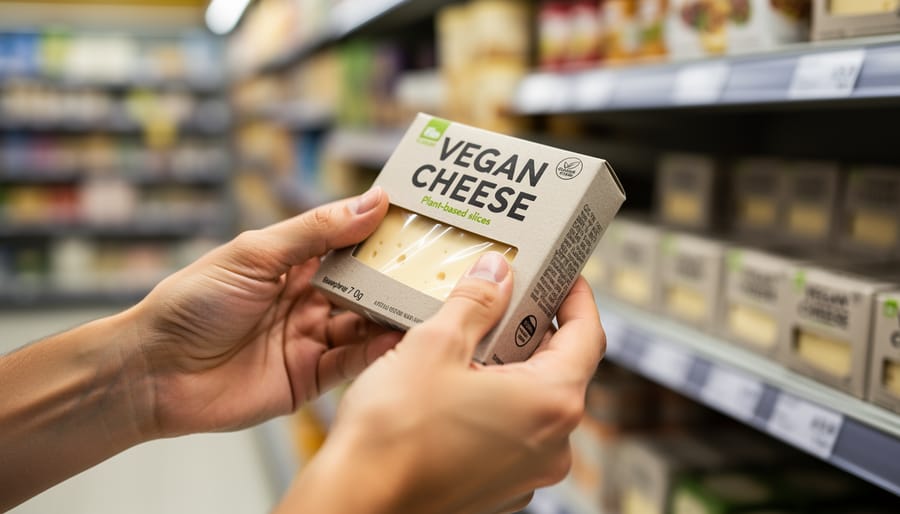
I remember standing in the dairy aisle at Whole Foods in Toronto, squinting at a block of vegan mozzarella while my toddler tugged at my jacket. The ingredient list read like a science experiment, and I had no idea what half of it meant. That confusion drove me to learn exactly what I was feeding my family, and understanding Canadian labeling rules changed everything.
In Canada, packaged foods must list ingredients listed by weight in descending order. This means the first ingredient makes up the largest portion of your vegan cheese. If coconut oil tops the list, you’re holding a product that’s primarily fat-based. If filtered water comes first, followed by tapioca starch, you’ve got a lighter, starch-thickened option with less fat overall.
The first three to five ingredients tell you nearly everything. A cheese starting with cashews, coconut oil, and nutritional yeast will taste rich and nutty, while one beginning with water, modified starch, and canola oil tends to be milder and stretchy but less nutrient-dense. Scan those top spots before you even consider the rest.
Canadian regulations require that all food allergens must be declared clearly on the package. If your vegan cheese contains soy, tree nuts like cashews, or sesame seeds, it must say so. Look for a “Contains” statement after the ingredient list or allergens highlighted in bold within the list itself. This matters if you’re managing allergies or feeding kids with sensitivities.
Pay attention to what you’re optimizing for. If you want more protein sources in your diet, choose varieties with soy, tofu, or chickpea high on the list. If you’re watching sodium, compare the nutrition facts panel since vegan cheeses vary wildly, from 150 mg to over 400 mg per serving. Scanning for added sugars helps too since some brands sneak in cane sugar or brown rice syrup to balance flavor.
Watch out for fillers like maltodextrin or excessive starches if you’re aiming for whole-food options. They’re not harmful, but they dilute the nutrient density. On the flip side, cultured ingredients or live bacteria mean you’re getting a fermented product with potential gut benefits.
Once I learned to read past the marketing claims on the front and focus on that ingredient list, my grocery trips got faster and my meals got better. You’ll develop your own shortcuts, but starting with those first few ingredients and checking for allergens will steer you right every time.
When and How to Use Vegan Cheese
Vegan cheese works beautifully in most places you’d use dairy cheese, but knowing what your cheese is made of helps you get the best results. The base ingredients determine how each variety performs in different situations.
For hot dishes where you need melting power, reach for vegan cheese made with tapioca starch or other starches. These varieties turn creamy and gooey when heated, making them perfect for vegan pizza grilled cheese sandwiches, and pasta bakes. Coconut oil-based shreds also melt well because the fat liquefies with heat. I learned this the hard way after trying to melt a cultured nut cheese on pizza, it just doesn’t work.
Cultured nut cheeses shine on cheese boards and in cold applications. Their tangy, complex flavor comes from fermentation, and they’re meant to be enjoyed at room temperature. Spread them on crackers, slice them for sandwiches, or crumble them over salads. These are the varieties that impress guests who think vegan cheese can’t be sophisticated.
For everyday snacking and sandwiches, soft spreadable varieties are your best friends. Look for cashew-based or tofu-based options, which offer a creamy texture without heating. They work in wraps, bagels, and as veggie dip bases.
In baking, coconut oil-based cream cheese alternatives perform remarkably well. They provide richness and moisture in muffins, frostings, and cheesecakes. The high fat content mimics dairy cream cheese’s behavior when mixed with other ingredients.
Here’s what works for me: I keep starch-heavy shreds for cooking, cultured nut cheese for entertaining, and a soft spread for quick meals. Reading the ingredient list tells you immediately which category your cheese falls into and how to use it best. The first few ingredients reveal everything you need to know about performance.
Your Questions About Vegan Cheese Ingredients Answered
I remember standing in the cheese aisle at my local supermarket, overwhelmed by the explosion of vegan cheese options and their wildly different ingredient lists. Those early shopping trips taught me that having quick answers to the most common questions makes everything easier when you’re trying to start a plant-based diet.
What is vegan cheese made of?
Vegan cheese is made entirely without animal products and typically includes plant-based ingredients like coconut oil, cashews or other nuts, soy, nutritional yeast, tapioca starch, and various oils or starches that create texture and flavor.
How is vegan cheese made?
Most vegan cheese is made by blending plant-based fats and proteins with thickening agents, then adding cultures or flavorings before setting the mixture into its final form. Some varieties undergo fermentation for a tangier, more aged taste.
Can we legally call vegan cheese ‘cheese’ in Canada?
In Canada, manufacturers typically use terms like “plant-based alternative” or “vegan cheese-style product” on packaging to distinguish these items from dairy cheese, which has specific regulatory definitions.
Are all vegan cheeses allergen-free?
No, vegan cheese often contains common allergens like tree nuts, soy, or coconut, which must be declared on Canadian labels. Always check the ingredient list if you have specific allergies.
When choosing between different vegan cheeses, let your health goals guide you. If you’re watching sodium, compare the nutrition facts panel since some brands are saltier than others. For higher protein options, look for soy-based or legume-forward varieties near the top of the ingredient list. And if you’re managing cholesterol or saturated fat intake, be mindful that coconut oil-heavy products contain more saturated fat than nut-based alternatives.
The ingredient list tells you everything you need to know about what you’re actually eating. Shorter lists usually mean simpler, more whole-food-based products, while longer lists often indicate more processed options with added stabilizers and flavors. Neither is inherently better, it just depends on what matters most to you and how you plan to use the cheese in your cooking.
How Vegan Cheese Made of Works
The magic of vegan cheese lies in transforming simple plant ingredients into something that tastes, melts, and spreads like dairy cheese. Here’s how it actually happens.
Most vegan cheese production starts with blending. Whether the base is cashews, coconut oil, or soy, manufacturers blend the main ingredients into a smooth paste or liquid. This creates the foundation for texture and mouthfeel.
Next comes the flavor development. Nutritional yeast adds that characteristic cheesy, umami taste that makes vegan cheese recognizable as cheese. Salt, acids like lemon juice or vinegar, and sometimes fermentation cultures build complexity and tanginess. Some producers culture their nut bases with live bacteria, just like traditional cheesemaking, which develops depth over time.
Then binding agents step in. Tapioca starch or agar agar helps the mixture firm up and hold its shape when cooled. For meltable varieties, these starches also create the stretch and flow you want when the cheese heats up. The proportions matter here: more starch means better melting, but too much creates a rubbery texture.
Finally, the mixture gets set. It might be poured into molds to form blocks, spread onto sheets for slicing, or formed into shreds. Some aged varieties sit for weeks while cultures work, developing sharper flavors and firmer textures.
The process mirrors traditional cheesemaking in surprising ways, just using entirely plant-based chemistry instead.
Understanding what’s really in your vegan cheese changes everything. When you can confidently scan an ingredient list and know exactly what cashews, coconut oil, tapioca starch, and nutritional yeast bring to the product, you’re no longer guessing. You’re making choices that align with your values and your body’s needs.
I remember standing in the dairy-free aisle feeling completely overwhelmed by conflicting information and confusing labels. Learning to decode ingredients transformed my relationship with plant-based eating. It stopped being about restriction and became about discovery. Some weeks I’d reach for a cultured nut cheese for its probiotic benefits, other times a simple coconut oil base for melting over nachos.
The beauty of vegan cheese is its diversity. Different ingredient bases offer different nutritional profiles, textures, and flavors. Give yourself permission to experiment. Try a cashew-based spread one week, a soy-based slice the next. Pay attention to how different ingredients make you feel.
Your plant-based journey is uniquely yours, and now you have the tools to navigate it with confidence. If you’re looking for inspiration on how to use these ingredients in your kitchen, explore our collection of plant-based recipes designed for real life, real budgets, and real taste.