


CJC-1295 No DAC is a synthetic peptide that signals your pituitary gland to produce more growth hormone naturally, without the acetylation that extends its half-life. Unlike the no DAC blend that includes additional compounds, this peptide works alone by mimicking growth hormone-releasing hormone (GHRH), creating pulses of HGH that mirror your body’s natural rhythm. The result? People report improved muscle recovery, better sleep quality, and enhanced fat metabolism, though these outcomes vary widely and lack the rigorous clinical backing you’d expect from FDA-approved therapies.
If you’re here, you’re probably wondering whether this peptide could help you feel stronger, recover faster, or simply age more gracefully. I get it. The promise of optimized hormones sounds appealing, especially when conventional approaches feel slow or uncertain. But here’s what you need to know upfront: CJC-1295 No DAC operates in a gray zone between research and clinical application. While some studies show promise for growth hormone optimization, most data comes from small trials or anecdotal reports, not the comprehensive research that guides standard medical care.
What makes this peptide different from its DAC counterpart is its shorter active window, typically lasting a few hours rather than days. This means more frequent dosing but also more control over when and how your body responds. For some, that precision matters. For others, it complicates an already complex decision.
Before you consider any peptide therapy, you deserve a clear-eyed look at what the science actually shows, what risks exist, and whether nutrition and lifestyle changes might give you similar benefits without the unknowns. That’s exactly what we’ll explore here, along with plant-based strategies that support your natural growth hormone production.
Understanding CJC-1295 No DAC: The Basics Made Simple

Let’s start with what CJC-1295 No DAC actually is, minus the confusing medical terminology.
CJC-1295 is a synthetic peptide, which means it’s a small chain of amino acids created in a laboratory. Think of peptides as tiny messengers in your body. Just as words combine to form sentences that communicate ideas, amino acids link together to create peptides that send specific signals to your cells. In this case, CJC-1295 sends a particular message: produce more growth hormone.
Your body naturally makes growth hormone in the pituitary gland, a pea-sized structure in your brain. This hormone plays a role in muscle recovery, metabolism, tissue repair, and even how well you sleep. As we age, growth hormone production gradually declines, which is part of why recovery takes longer and body composition can shift over time.
Now, here’s where the “No DAC” part comes in, and it’s actually quite important. DAC stands for Drug Affinity Complex, which is a chemical modification that makes the peptide last much longer in your bloodstream. The original CJC-1295 with DAC stays active for days, creating a sustained elevation of growth hormone that doesn’t mirror your body’s natural rhythm.
CJC-1295 No DAC, by contrast, works more like a quick pulse. It stimulates a burst of growth hormone release and then clears from your system relatively quickly, usually within a few hours. This shorter action more closely resembles your body’s natural pattern of growth hormone secretion, which happens in pulses throughout the day and night rather than as a constant stream.
The mechanism is straightforward: CJC-1295 No DAC mimics a natural hormone called growth hormone releasing hormone. When it binds to specific receptors in your pituitary gland, it triggers the release of stored growth hormone into your bloodstream. That growth hormone then travels throughout your body, signaling cells to repair, rebuild, and regenerate.
People are drawn to this peptide because they’re looking for support with recovery, body composition goals, or general wellness optimization. The appeal is understandable: who wouldn’t want better recovery and more efficient cellular repair? However, understanding what it does is just the first step in making an informed decision about whether it fits into your personal wellness approach.
Why People Turn to CJC-1295 No DAC

I understand why this peptide catches attention in wellness communities. Over the years, I’ve sat across from countless clients who’ve done their research, scrolled through forums, and arrived at my office asking thoughtful questions about peptides. They’re not looking for shortcuts, they’re genuinely invested in optimizing their health and curious about what science might offer.
Most people considering CJC-1295 No DAC are motivated by specific, relatable goals. Recovery tops the list. Whether you’re a weekend warrior dealing with muscle soreness that lingers longer than it used to, or someone managing the physical demands of a busy life, the promise of faster tissue repair sounds appealing. The peptide’s ability to stimulate growth hormone release theoretically supports cellular regeneration and recovery processes that naturally slow as we age.
Body composition goals drive interest too. People aren’t necessarily chasing dramatic transformations, many simply want to maintain muscle mass as they get older or support their fitness efforts more effectively. Since growth hormone plays a role in how our bodies build and preserve lean tissue while metabolizing fat, this connection makes intuitive sense to health-conscious folks.
Sleep quality comes up surprisingly often. Some users report deeper, more restorative sleep, which aligns with growth hormone’s natural nighttime release pattern. For anyone who’s experienced the frustration of waking unrefreshed despite eight hours in bed, this potential benefit resonates deeply.
Then there’s general wellness optimization, that desire to feel as vibrant at forty or fifty as you did at thirty. The peptide appeals to people who already eat well, exercise regularly, and manage stress but wonder if they could fine-tune their health further.
What strikes me most is the intentionality behind these considerations. These aren’t people looking for magic pills. They’re educated, proactive individuals trying to make informed decisions about their bodies. That deserves respect, even as we explore whether peptides truly serve those goals better than foundational approaches. The motivations are valid; the question becomes whether this particular intervention aligns with your unique needs and values.
A Dietitian’s Perspective: Nutrition-First Approaches
I’ll never forget Sarah, a client who came to me exhausted from trying every supplement and biohack under the sun. She’d spent thousands on peptides, nootropics, and the latest wellness trends, yet still felt depleted. When we finally sat down to review her actual eating patterns, I discovered she was skipping breakfast, living on coffee until 2 PM, and barely eating any vegetables. Her body wasn’t broken. It was starving for the basics.
This happens more often than you might think. We live in a culture that’s constantly searching for the next optimization hack, the secret peptide, the perfect supplement stack. But here’s what I’ve learned after years of working with wellness-seekers: your body is incredibly intelligent. When you give it the right foundation, truly nourishing foods, consistent sleep, movement, and stress management, it knows exactly what to do.
Before anyone considers something like CJC-1295 No DAC, I always ask: Are we giving your body what it actually needs first?
Your body produces growth hormone naturally, especially during deep sleep and after certain types of exercise. The beautiful thing about supporting this natural process through nutrition and lifestyle is that you’re working with your body’s wisdom, not trying to override it.
Let’s talk about what actually supports your body’s hormone production. Quality sleep is non-negotiable. During deep sleep stages, your pituitary gland releases natural pulses of growth hormone. When clients tell me they’re interested in peptides for recovery but sleeping five hours a night, we’ve got our priority backwards.
Nutrition plays a massive role too. Certain amino acids, especially arginine and ornithine found abundantly in pumpkin seeds, chickpeas, and lentils, support natural hormone pathways. Adequate protein intake matters, but so does the timing. Eating a balanced meal with protein, complex carbs, and healthy fats before bed can support overnight hormone production rather than disrupting it with blood sugar crashes.
Exercise, particularly resistance training and high-intensity intervals, triggers natural growth hormone release. You don’t need a gym membership. Bodyweight exercises, hiking with elevation, or even vigorous gardening counts.
Stress management often gets overlooked, but chronic elevated cortisol directly suppresses growth hormone production. This is where practices like meditation, gentle yoga, nature walks, or simply protecting time for rest become actual wellness interventions, not just self-care luxuries.
The plant-based advantage here is real. Whole plant foods provide the micronutrients, magnesium, zinc, vitamin D precursors, and phytonutrients that your endocrine system needs to function optimally. They also support the gut health that’s intimately connected to hormone regulation.
When Sarah and I focused on these foundations, eating regular nourishing meals, getting to bed by 10 PM, adding strength training twice weekly, her energy transformed within weeks. No peptides needed. Just her body, finally supported to do what it does best.
What You Need to Know Before Considering CJC-1295 No DAC
If you’re thinking about CJC-1295 No DAC, I want to be real with you: this isn’t something to explore on your own. As a dietitian who works with clients navigating complex health decisions, I’ve seen what happens when people jump into peptide use without proper guidance, and it rarely ends well.
First and foremost, CJC-1295 requires medical supervision. This means working with a healthcare provider who understands peptides, hormone regulation, and your unique health history. They’ll order baseline labs, monitor your response, and watch for any concerning changes. Your body is incredibly complex, and what works for someone in an online forum might be completely inappropriate for you. Factors like your current hormone levels, medications, underlying health conditions, and even your age all influence how you might respond to this peptide.
Speaking of medications, CJC-1295 can interact with other substances you’re taking. If you’re on thyroid medication, diabetes treatments, or anything affecting hormone production, there could be significant interactions. This is why the “ask your doctor” advice isn’t just a formality here.
Let’s talk about quality, because this is huge. The peptide market is largely unregulated, which means you’re often dealing with products that haven’t been tested for purity or potency. I’ve spoken with clients who’ve purchased peptides online only to receive vials that contained who-knows-what. Some weren’t even the correct peptide. Working with a legitimate medical provider who sources from reputable compounding pharmacies is essential, not optional.
The legal landscape matters too. In many places, CJC-1295 exists in a gray area. It’s not FDA-approved for human use outside research settings, though some practitioners prescribe it off-label. Understanding the legal and ethical implications in your area protects you.
Here’s what I really want you to consider: your individual health context. Are you dealing with a genuine hormone deficiency that’s been properly diagnosed? Or are you hoping to optimize something that might be better addressed through foundational lifestyle changes? I’ve worked with countless clients who thought they needed advanced interventions, only to discover that addressing sleep quality, chronic stress, or nutritional gaps made the dramatic difference they were seeking.
Your health deserves thoughtful, personalized attention, not a one-size-fits-all approach pulled from the internet. You’re worth that level of care.
Plant-Powered Alternatives: Supporting Your Body Naturally
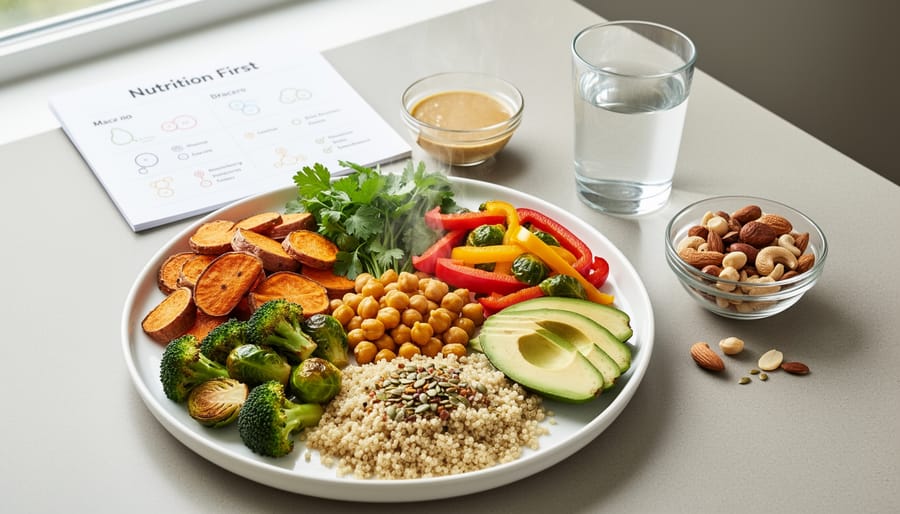
Your body has remarkable built-in systems for recovery, regeneration, and hormone optimization. The truth is, you don’t need synthetic peptides to support these processes when you fuel yourself thoughtfully. Let me share the nutrition strategies that actually move the needle for my clients.
Foods That Support Natural Growth Hormone Production
Sleep quality matters tremendously for growth hormone release, which happens primarily during deep sleep. Certain nutrients directly support this process. Tryptophan-rich foods like pumpkin seeds, sesame seeds, and chickpeas provide building blocks for serotonin and melatonin, helping you achieve the restorative sleep your body needs.
Magnesium plays a crucial role in over 300 enzymatic reactions, including those involved in sleep and recovery. Dark leafy greens, almonds, black beans, and whole grains deliver this essential mineral. I often recommend a bedtime bowl of oatmeal with almond butter and pumpkin seeds to clients struggling with sleep quality.
Arginine and ornithine, amino acids found in generous amounts in legumes, nuts, and seeds, have been studied for their relationship to growth hormone secretion. A plant-based protein smoothie made with hemp seeds, spirulina, and raw cacao provides these amino acids alongside other recovery-supporting nutrients.
Timing Matters as Much as What You Eat
Growth hormone release responds to both sleep and fasting periods. I’ve seen clients experience noticeable improvements in recovery and body composition simply by extending their overnight fast to 12-14 hours. This doesn’t mean skipping breakfast if you’re hungry; it means finishing dinner earlier and having breakfast when you naturally wake up hungry.
Exercise, particularly resistance training and high-intensity intervals, naturally stimulates growth hormone production. Combining smart workout timing with proper post-exercise nutrition amplifies these benefits. A recovery meal within two hours of training, featuring complex carbohydrates and protein, supports muscle repair and hormonal balance.
Simple Recipe: Recovery-Boosting Buddha Bowl
This bowl combines the nutrients your body needs for natural hormone optimization and tissue repair:
Start with a base of quinoa or brown rice (complex carbs for glycogen replenishment). Add roasted chickpeas and hemp seeds (arginine and complete protein). Include steamed broccoli and spinach (magnesium and micronutrients). Top with tahini dressing made from sesame seeds (tryptophan and healthy fats), fresh lemon juice, and a pinch of sea salt.
Lifestyle Habits That Amplify Results
Reducing chronic stress through meditation, breathwork, or gentle yoga positively influences your entire hormonal system. Cortisol and growth hormone have an inverse relationship; managing stress naturally supports better hormone balance.
Vitamin D status matters more than most people realize. If you live in a northern climate, having your levels checked and supplementing if needed can make a meaningful difference in how you feel and recover.
If you’re looking to start plant-based eating specifically for recovery and wellness optimization, focus on nutrient density rather than restriction. Every meal becomes an opportunity to support your body’s innate healing capacity.
These aren’t quick fixes. They’re sustainable practices that honor your body’s wisdom and work with your natural biology rather than attempting to override it.
Making Empowered Wellness Decisions

Here’s the truth about navigating wellness trends in 2026: you deserve better than blindly following what’s buzzing on social media or promising quick transformations. Every choice you make about your health should stem from understanding your unique body, your values, and your long-term vision for wellness.
When you come across something like CJC-1295 No DAC or any emerging wellness approach, pause and ask yourself some honest questions first. Does this align with how I want to nourish and care for my body? Am I considering this because I’m genuinely interested in its potential, or because I’m frustrated with slower-paced, foundational work? Have I truly optimized my nutrition, sleep, and stress management first? These questions aren’t meant to judge, they’re meant to empower you to make choices that truly serve you.
If you decide to explore peptides or similar interventions, bring these questions to your healthcare team: How does this fit with my current health status and medications? What monitoring will we need? What realistic outcomes can I expect, and over what timeframe? A practitioner who respects your questions and provides thoughtful, personalized answers is one worth trusting.
Do I need medical supervision for CJC-1295 No DAC?
Absolutely. Peptides like CJC-1295 No DAC affect your hormonal systems and should only be used under qualified medical supervision with appropriate monitoring and individualized dosing.
Can I combine peptides with plant-based nutrition approaches?
Yes, but foundational nutrition should always come first. Work with both a qualified physician and a registered dietitian to ensure any supplemental approach complements, rather than replaces, solid nutritional habits.
How do I know if a wellness trend is right for me?
Consider whether it aligns with your values, whether you’ve optimized foundational habits first, and whether qualified healthcare providers can guide you through the process safely and personally.
Remember that your wellness journey is just that, yours. What works beautifully for someone else might not suit your body, lifestyle, or goals. The most powerful approach is often the one you can be consistent with over time, whether that’s prioritizing whole plant foods that support natural hormone balance establishing sustainable sleep routines, or finding movement you genuinely enjoy.
You don’t need to choose between cutting-edge interventions and foundational wellness practices. But starting with the basics, the nutrition and lifestyle habits that genuinely transform health, will always serve you better than jumping straight to advanced protocols without that solid foundation beneath you.
Your wellness journey is uniquely yours, and you deserve to approach it with both curiosity and compassion. While CJC-1295 No DAC peptide might seem like an appealing option for optimizing health, the truth I’ve learned through years of working with clients is simpler than we often want to believe: there’s no shortcut to genuine, sustainable wellness.
The most powerful tools you have aren’t found in a vial. They’re on your plate, in your sleep habits, through movement that feels good in your body, and in the stress management practices that actually work for your life. These foundational elements might not sound as exciting as cutting-edge peptides, but they’re the strategies that create lasting change.
I’ve seen countless individuals transform their energy, recovery, and body composition by focusing on nutrient-dense plant foods, consistent sleep schedules, and joyful movement. These aren’t quick fixes, but they’re sustainable paths that honor your body’s innate wisdom.
If you’re considering any supplemental approach like CJC-1295 No DAC, please work with healthcare providers who truly listen to you and understand your individual health context. You deserve personalized guidance that considers your whole story, not just a single solution.
Remember, your body is incredibly capable when given what it truly needs. Start with the basics, be patient with yourself, and trust that sustainable wellness is absolutely within your reach.