

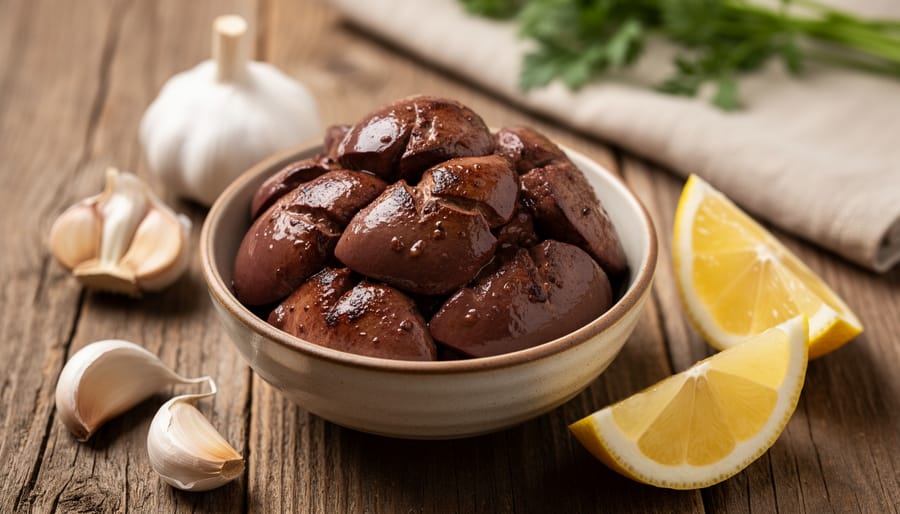
Chicken liver nutrition refers to the comprehensive profile of vitamins, minerals, and protein packed into this small but potent organ meat, which ranks among the most nutrient-dense whole foods available. If you’re curious about this emerging addition to diverse diets in 2026, you’re tapping into a food that delivers extraordinary concentrations of nutrients many people struggle to obtain elsewhere: a single 3.5-ounce serving provides 691% of your daily vitamin B12, a staggering 781 micrograms of folate per 100 grams, highly bioavailable heme iron, choline for brain health, vitamin A, and complete protein.
I know many of you in our community follow a plant-based diet or are primarily plant-forward, and chicken liver might seem like an unexpected topic here. But part of empowering your wellness journey means understanding all your options, especially when addressing specific nutrient gaps or health conditions. Some readers have shared that occasional organ meats help them manage deficiencies their doctors flagged, while others simply want to understand what makes this food so nutritionally significant.
This guide breaks down exactly what chicken liver offers, how those nutrients function in your body, the various forms and preparation methods, and the practical considerations that help you decide whether it fits your personal health context. You’ll get verified data, clear explanations, and the kind of balanced perspective that respects your unique path.
What Chicken Liver Nutrition Means
Chicken liver nutrition refers to the comprehensive nutrient profile found in the edible liver of chickens, a small organ that packs an astonishing concentration of vitamins, minerals, and protein into every serving. When we talk about chicken liver nutrition, we’re describing not just the calories or protein content, but the remarkable density of essential micronutrients that your body needs for energy production, cell growth, brain function, and overall health. A single 3.5-ounce serving delivers 691% of your daily vitamin B12 needs, 781 micrograms of folate per 100 grams, substantial amounts of vitamin A, highly bioavailable heme iron, choline, and complete protein, all in roughly 120 to 140 calories.
What makes chicken liver different from other protein sources is this micronutrient concentration. While chicken breast or beans provide protein, they don’t come close to matching the vitamin and mineral payload of liver. You’d need to eat multiple servings of various foods to equal the B12, folate, or iron found in a single modest portion of chicken liver. This efficiency matters for anyone addressing specific nutrient gaps, supporting increased nutritional demands during pregnancy, or simply exploring the full spectrum of available whole-food nutrients. Understanding chicken liver nutrition gives you knowledge to make informed choices that align with your health goals and personal values, whether you’re curious about incorporating it occasionally or simply want to understand what makes certain foods nutritionally powerful.
How Chicken Liver Delivers Nutrients to Your Body
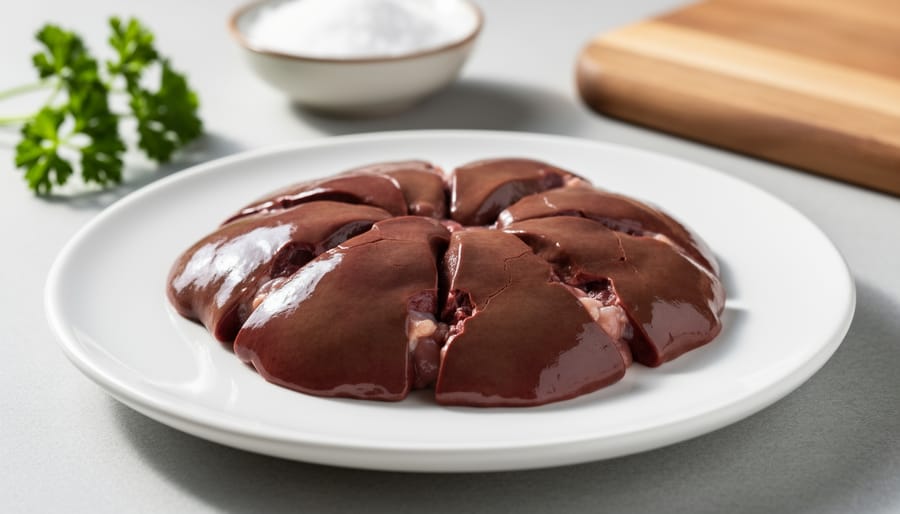
Your body doesn’t treat all nutrients equally. Some pass through your digestive system with minimal absorption, while others move directly into your bloodstream and get to work immediately. Chicken liver falls into the second category, it delivers nutrients in forms your body recognizes and uses efficiently.
When you eat chicken liver, you’re consuming nutrients that are already similar to the forms your body needs. Vitamin B12 arrives as methylcobalamin and adenosylcobalamin, the exact active forms your cells use for energy production and nerve function. Unlike plant-based B12 analogs that require conversion, these molecules bind quickly to intrinsic factor in your stomach and move directly into your bloodstream. That’s why a single serving can provide 691% of your daily value, your body absorbs and utilizes nearly all of it.
The iron in chicken liver is heme iron, the same type found in your own red blood cells. Your intestinal cells have dedicated receptors that pull heme iron across the gut wall at absorption rates of 15-35%, compared to just 2-20% for the non-heme iron found in plant foods. You don’t need vitamin C alongside it or careful meal planning, heme iron absorption happens independently.
Folate from chicken liver, at 781 µg per 100g, arrives as various natural folate forms that your body converts efficiently. Choline comes pre-packaged in phospholipids similar to those in your cell membranes, ready for immediate use in brain signaling and liver function. Vitamin A is stored as retinol, the active form your eyes, immune system, and skin use directly, without the conversion step required by plant carotenoids.
This is what nutritionists mean by bioavailability. Organ meats deliver nutrients in metabolically active forms, making them exceptionally efficient sources for meeting your body’s needs.
Key Nutrients in Chicken Liver
Vitamin B12 and Folate: The Powerhouse Duo
Chicken liver stands out for two B-vitamins in particular: B12 and folate. Together, these nutrients support some of your body’s most fundamental processes, from building red blood cells to maintaining nerve function and synthesizing DNA.
The vitamin B12 in chicken liver is genuinely remarkable, a 3.5-ounce serving delivers 691% of the daily value. That’s nearly seven times what you need in a day. B12 plays a critical role in nerve health, helping to form the protective coating around nerve fibers. It also supports energy production by helping your cells convert food into usable fuel. Without adequate B12, you might experience fatigue, memory issues, or tingling in your hands and feet.
Folate works alongside B12 in many of these processes. The folate in chicken liver measures 781 micrograms per 100 grams, about twice the daily recommended amount. Folate is essential for cell division and growth, which is why it’s especially important during pregnancy. It helps form red blood cells and supports the production of genetic material in every cell.
These two nutrients work synergistically. B12 helps activate the folate in your body, making it available for the cellular processes that keep you healthy. This partnership is one reason chicken liver is valued by people addressing deficiencies or seeking concentrated nutrition.
Iron, Choline, and Vitamin A
Chicken liver stands out for three additional nutrients that support critical body functions. Its heme iron, the form found in animal tissues, is absorbed two to three times more efficiently than the non-heme iron in plant foods, making it particularly valuable for individuals at risk of iron deficiency, including menstruating women and athletes. A 3.5-ounce serving delivers approximately 72% of the daily iron requirement, supporting oxygen transport and energy production without the digestive interference common with plant-based iron sources.
Choline, another standout nutrient in chicken liver, plays an essential role in brain health, memory formation, and liver function. While your body produces some choline, most people need dietary sources to meet optimal levels, and chicken liver provides over 200 mg per serving, covering nearly half the daily adequate intake. This nutrient becomes especially important during pregnancy for fetal brain development.
The vitamin A content in chicken liver is both impressive and worth understanding. One serving can provide several times your daily vitamin A needs in the preformed retinol version, the type your body uses directly, without conversion. This supports vision, immune function, and skin health, but it also means mindful portioning matters, particularly for pregnant individuals who need to avoid excessive vitamin A intake.
Types of Chicken Liver Products and Preparations
Chicken liver appears in several forms at grocery stores and specialty markets, each offering the same core nutrients with subtle differences in preparation convenience and flavor profile.
Fresh chicken liver, sold raw in the refrigerated meat section, retains the full spectrum of nutrients when you cook it at home. Look for livers with a deep reddish-brown color, firm texture, and no off odors, signs of quality and freshness. Frozen chicken liver works just as well nutritionally once thawed, and it’s often more economical if you buy in bulk.
Pâté and liver spreads offer concentrated nutrition in a spreadable form, though they typically include butter, cream, or other ingredients that add calories and fat beyond the liver itself. Check labels for added sodium and preservatives if you’re monitoring those. Cooked preparations, whether sautéed, grilled, or incorporated into dishes, make the nutrients more accessible to your body, though excessive heat can reduce some B vitamins. A quick sear or gentle simmer preserves most of the nutritional value while improving digestibility.
Desiccated liver supplements, sold as capsules or powder, provide a shelf-stable option, but they vary widely in quality and nutrient concentration. If you choose supplements, verify third-party testing and check the source.
- Fresh/raw: maximum nutrient retention, requires proper storage and cooking within 1-2 days
- Frozen: nearly identical nutrition to fresh, longer shelf life, convenient for batch cooking
- Pâté: nutrient-dense but higher in calories and fat from added ingredients
- Cooked preparations: improved digestibility and bioavailability with minimal nutrient loss
- Supplements: variable quality, check for third-party testing and clear sourcing information
Sourcing matters for both quality and your values. Organic or pasture-raised chicken livers come from birds raised without routine antibiotics and with outdoor access, which some research suggests may influence the fatty acid profile. These options cost more, but they align with animal welfare priorities if that’s important to you. Conventional livers still deliver the same micronutrients, B12, folate, iron, and vitamin A, at a lower price point.
When selecting any chicken liver product, freshness and proper handling trump everything else. Trust your senses, check dates, and store it correctly to make the most of what you bring home.
How Chicken Liver Nutrition Is Used in Different Dietary Contexts
Chicken liver’s remarkable nutrient density makes it relevant across diverse dietary approaches and health contexts. Understanding where these concentrated nutrients fill specific gaps helps readers make informed choices aligned with their individual needs.
For individuals addressing diagnosed deficiencies, chicken liver offers targeted nutritional support. The extraordinary B12 content (691% of daily value per 3.5-ounce serving) makes it particularly valuable for those with absorption challenges or dietary restrictions that limit B12 intake. The heme iron, absorbed more efficiently than plant-based non-heme iron, can help restore healthy levels when deficiency is confirmed through testing. Rather than self-prescribing, work with a healthcare provider to determine if concentrated sources like chicken liver fit your correction plan.
Pregnancy nutrition presents another context where chicken liver’s folate content (781 µg per 100g) draws attention. Folate supports neural tube development and cell division during early pregnancy. However, the high vitamin A content requires careful consideration, as excessive preformed vitamin A may pose risks during pregnancy. Pregnant individuals should consult their healthcare team before including organ meats in their diet.
Athletes and those with increased nutritional demands sometimes turn to nutrient-dense whole foods to support performance and recovery. Chicken liver provides concentrated choline for cellular function and B vitamins for energy metabolism, alongside complete protein. The nutrient profile may support hormones and health through its role in methylation and neurotransmitter production.
For omnivores exploring nutritional diversity, chicken liver represents an opportunity to understand how different foods contribute varying nutrient profiles. Some view it as ancestral eating; others simply appreciate concentrated nutrition in small portions. Whatever your dietary approach, knowledge about diverse nutrient sources empowers you to build a personalized eating pattern that reflects both your values and your body’s needs.
What to Consider About Chicken Liver Consumption
Chicken liver’s impressive nutrient density comes with a few important considerations that can help you make choices aligned with your health needs and values.
The most significant concern is vitamin A content. While vitamin A supports immune function and vision, chicken liver contains exceptionally high levels, enough that a single serving can exceed the tolerable upper intake level. This matters especially during pregnancy, where excessive vitamin A (particularly in the first trimester) has been linked to birth defects. If you’re pregnant or planning to conceive, discussing first trimester nutrition with your healthcare provider before consuming organ meats is essential.
Chicken liver also contains significant cholesterol, typically 350-560 mg per 100-gram serving. While dietary cholesterol’s impact on blood cholesterol varies by individual, those managing cardiovascular concerns should consider this alongside their overall dietary pattern.
Sourcing quality matters. Pasture-raised, organic options reduce exposure to antibiotics and hormones while supporting animal welfare, though availability and cost vary. Proper preparation, cooking to an internal temperature of 165°F, ensures safety.
For readers exploring diverse protein options, comparing nutrient profiles across plant-based protein sources and animal sources can inform personalized choices. There’s no universal guideline for consumption frequency, which is why working with a healthcare provider who understands your individual health context, values, and nutritional goals makes sense. You deserve nutrition information that empowers rather than prescribes.
Frequently Asked Questions
What nutrients are in chicken liver?
Chicken liver contains vitamin B12 (691% of the daily value per 3.5 ounce serving), folate (781 µg/100g), vitamin A, choline, highly bioavailable heme iron, and high-quality protein. This combination makes it one of the most nutrient-dense foods available, particularly for micronutrients that support energy, brain function, and blood health.
How much vitamin B12 does chicken liver have?
A single 3.5 ounce serving of chicken liver provides 691% of the daily value for vitamin B12, making it one of the richest natural sources of this essential nutrient. That’s nearly seven times what most adults need in a day from just one serving.
Is chicken liver nutrient-dense?
Yes, chicken liver is considered one of the most nutrient-dense foods you can eat. It delivers exceptional amounts of vitamin B12, folate, iron, choline, and vitamin A in a relatively small serving, providing multiple nutrients that support energy, cognition, and overall health.
How does chicken liver compare to plant-based nutrient sources?
While plant foods excel in fiber, antioxidants, and certain minerals, chicken liver provides vitamin B12 (not naturally found in plants), highly bioavailable heme iron (more readily absorbed than plant iron), and preformed vitamin A. For those eating plant-based, you’d meet similar nutrient needs through fortified foods, supplements, and varied whole foods like legumes, leafy greens, and nuts combined thoughtfully.
These questions reflect what many health-conscious readers want to know when they’re exploring different nutritional options. Whether you’re considering adding chicken liver to your diet or simply curious about how various foods stack up nutritionally, understanding these facts helps you make choices aligned with your health goals and values.
The key takeaway here is that chicken liver offers a concentrated nutrient package that’s hard to match in a single food. A small serving goes a long way, which means you don’t need to eat it frequently to benefit from its nutritional profile. For readers exploring diverse approaches to nutrition, knowing what different foods offer empowers you to build a eating pattern that feels right for your body and reflects your personal wellness philosophy.
Chicken liver stands out as one of the most nutrient-dense foods you can explore, a single serving delivers extraordinary amounts of vitamin B12, folate, iron, choline, and vitamin A in highly bioavailable forms. Whether you choose to include it in your meals or seek these nutrients through other sources, understanding what makes organ meats so concentrated in micronutrients empowers you to make informed decisions that align with your values and health goals.
Nutrition is deeply personal. There’s no single path that works for everyone, and curiosity about diverse nutrient sources, whether plant-based staples, fortified foods, or nutrient-rich animal products, is part of building a sustainable approach to wellness. What matters most is finding what nourishes your body and supports your energy, vitality, and long-term health.
I’ve always believed that knowledge creates freedom. When you understand how different foods deliver specific nutrients, you can craft eating patterns that feel good physically and align with what matters to you. If chicken liver fits your approach, you now have the facts to use it wisely. If it doesn’t, you’re equipped to seek those same nutrients elsewhere with confidence and intention.