


A personal nutrition coach is a trained professional who creates customized eating plans based on your unique health goals, lifestyle, and dietary preferences, then guides you through the behavior changes needed to make those plans stick. Unlike apps that spit out generic meal plans or diet books that promise quick fixes, a coach works one-on-one with you over weeks or months, adjusting your nutrition strategy as your body responds and your life shifts.
The value lies in the personalization and accountability. When I first considered working with a nutrition coach years ago, I was drowning in conflicting advice about plant-based eating and felt frustrated by my lack of progress. What I needed wasn’t another meal plan, it was someone who understood my specific challenges and could help me navigate them without judgment. That’s exactly what a good coach provides.
Most people seek out nutrition coaching when they’ve hit a wall. Maybe you’ve tried multiple diets without lasting results, or you’re managing a health condition that requires careful nutritional management, or you simply feel overwhelmed by the avalanche of nutrition information online. A coach cuts through the noise and builds a roadmap tailored to you, not to some idealized version of a healthy person.
The coaching relationship typically involves regular check-ins, progress tracking, meal planning support, and ongoing education about how food affects your body. Sessions might happen weekly or biweekly, either in person or virtually, and the best coaches adapt their approach as you learn and grow. You’re not just getting meal suggestions. You’re developing a sustainable relationship with food that respects your preferences, fits your schedule, and actually works for your body.
What a Personal Nutrition Coach Actually Does

A personal nutrition coach does far more than hand you a meal plan and send you on your way. Think of them as a dedicated partner who takes the time to understand your complete story, your health history, daily routines, food preferences, stress levels, sleep patterns, and even how you feel about eating itself.
The work begins with a thorough assessment. Your coach asks questions that might surprise you: When do you feel most energized? What does your typical Tuesday look like? How do you relate to food emotionally? This isn’t nosiness. It’s about seeing the full picture so they can create strategies that actually fit your real life, not some idealized version of it.
From there, they build a personalized roadmap tailored to your unique needs and circumstances. Maybe you’re managing a health condition like prediabetes, or you’re curious about incorporating more plant-based meals without feeling overwhelmed. Your coach designs an approach that considers your schedule, cooking skills, budget, and taste preferences. They meet you where you are.
But here’s where coaching truly shines: the ongoing support. Life doesn’t stand still, and neither does your plan. Lost your motivation? Your coach helps you reconnect with your why. Hit a plateau? They adjust the strategy. Faced with a major life change like a new job or family situation? Your plan evolves with you.
Coaches also provide something apps and books can’t, genuine accountability wrapped in empathy. They celebrate your wins without judgment when things don’t go perfectly. They help you identify patterns, troubleshoot obstacles, and build skills that last beyond your time together.
This holistic approach recognizes that nutrition exists within the larger context of your mental wellness, relationships, stress levels, and life satisfaction. A good coach doesn’t just help you eat better. They help you develop a healthier, more peaceful relationship with food and your body.
Signs You’re Ready for a Personal Nutrition Coach
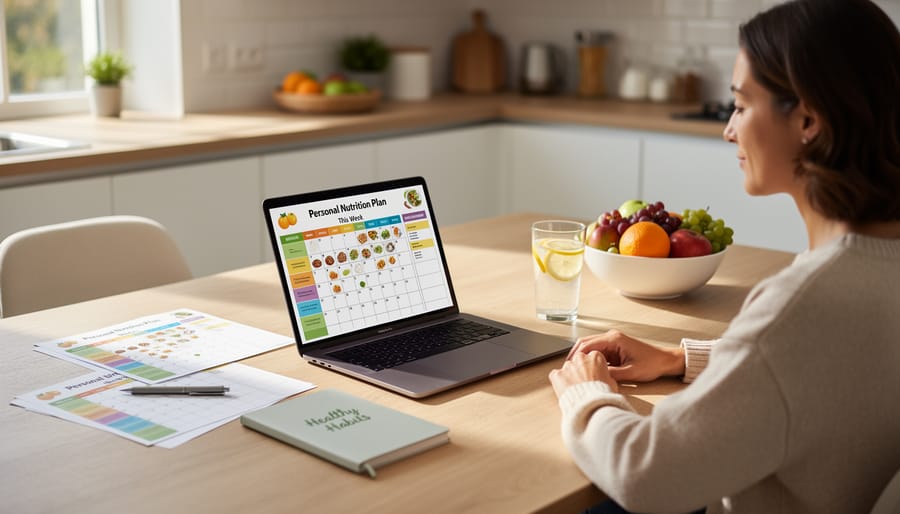
You’re probably ready for a personal nutrition coach if you’ve noticed yourself stuck in certain patterns or hitting walls that willpower alone can’t seem to break through. One of the clearest signs is feeling completely overwhelmed by conflicting nutrition advice. One day carbs are the enemy, the next day they’re essential fuel. One influencer swears by intermittent fasting while another insists on six small meals. When you’re drowning in contradictory information and can’t figure out what actually applies to your body and your life, personalized guidance cuts through the noise with strategies built specifically for you.
Struggling with consistency despite knowing what you “should” do is another telltale sign. You understand the basics, you’ve read the articles, you’ve tried the plans, but maintaining new habits feels impossible. A nutrition coach helps you identify the real barriers, whether they’re practical, emotional, or rooted in your relationship with food, and works with you to build sustainable routines that stick.
If you’re managing a health condition like diabetes, digestive issues, high cholesterol, or hormonal imbalances, a personal coach (ideally a registered dietitian with clinical experience) can translate medical recommendations into enjoyable, realistic eating patterns. They bridge the gap between your doctor’s advice and your actual kitchen, helping you nourish your body while addressing specific health needs.
Transitioning to plant-based eating often raises questions that generic meal plans can’t answer: Am I getting enough protein? What about B12 and iron? How do I make this work for my family? Research on online nutrition coaching shows that personalized support significantly improves outcomes compared to self-directed approaches. A coach experienced in plant-based nutrition guides you through the transition with confidence and clarity.
Sometimes you need more than meal suggestions. If you’re dealing with emotional eating, body image concerns, or a complicated history with dieting, a coach who takes a holistic, empathetic approach can help you rebuild a healthier relationship with food while still working toward your wellness goals.
I recognized my own need for individualized support years ago when I was navigating health challenges and felt completely lost in a sea of generic advice. Working with someone who truly listened and customized recommendations to my life changed everything. That experience shaped how I approach coaching today, meeting people where they are, not where a plan says they should be.
The Personal Nutrition Journey: What to Expect

The Discovery Phase
The discovery phase is where your coach becomes a detective, piecing together the full story of your relationship with food and health. This isn’t a quick form you fill out online, it’s a thoughtful conversation that digs deeper than “what did you eat yesterday?”
Your coach will explore your typical eating patterns, energy levels throughout the day, sleep quality, stress triggers, and how you feel after meals. They’ll ask about your health history, any medications or supplements you take, and specific concerns like digestion, cravings, or food sensitivities. Equally important, they’ll want to understand your lifestyle: work schedule, who you cook for, budget constraints, cultural food traditions, and how much time you realistically have for meal prep.
This phase also addresses your emotional connection to food. Do you eat when stressed? Skip meals when busy? Feel guilt around certain foods? These insights matter because sustainable change requires understanding not just what you eat, but why.
The goal is creating a complete picture of you as a person, not just a collection of symptoms or numbers.
Building Your Personalized Plan
Once your coach understands your full picture, they translate those insights into a plan you can actually live with. This isn’t about handing you a rigid meal schedule, it’s about creating flexible frameworks that honor your preferences, schedule, and real-life constraints.
Your coach might start with simple swaps that feel manageable: adding one plant-based meal to your rotation, or helping you read the vegan label when you’re curious about dairy alternatives. If you’re exploring protein sources, they’ll guide you through options that align with your values, whether that means understanding how to choose bone broth protein or discovering nutrient-dense whole foods like the yam nutrition facts that make ancient staples perfect for modern wellness.
The best plans include practical meal ideas and recipes tailored to what you’ll actually cook. Your coach considers your skill level, time availability, and taste preferences. They might suggest batch-cooking strategies for busy weeks or offer restaurant navigation tips for your lifestyle. The goal is building confidence and competence, not dependence, equipping you with tools that become second nature over time.
Ongoing Support and Adaptation
Working with a nutrition coach isn’t a one-and-done deal. Your coach checks in regularly, weekly, biweekly, or monthly depending on your needs, to see what’s working and what isn’t. These sessions are where you celebrate the wins, like finally enjoying breakfast again or feeling energized through your afternoon. They’re also safe spaces to troubleshoot the challenges: maybe your schedule shifted, your energy dipped, or you struggled with cravings during a stressful week. Your coach adjusts your plan as your life evolves, whether that means tweaking portions, swapping recipes, adapting summer hydration nutrition strategies for winter, or supporting you through a job change or new fitness routine. This ongoing collaboration keeps your plan realistic and responsive, not rigid.
How Personal Coaching Differs from Apps and Generic Plans
When you’re trying to improve your eating habits, the sheer number of options can feel overwhelming. You could download an app, buy a popular diet book, or work with a nutrition coach. Each has its place, but they offer fundamentally different experiences.
Apps excel at tracking and convenience. They can count your calories, log your meals, and send you reminders. Some offer recipe libraries or suggest macro ratios based on your goals. But here’s what they can’t do: ask why you reached for that third cookie at 10 p.m., recognize that your stress at work is derailing your lunch routine, or adjust your plan when your schedule suddenly changes. An algorithm can’t sit with you through the emotional complexity of changing how you eat.
Generic diet plans, whether from books, influencers, or commercial programs, provide structure and community, which can be helpful. But they’re built for an imaginary average person. They don’t account for your food preferences, your work schedule, your budget, or how you actually live. When the plan doesn’t fit your life, you’re left feeling like you’re the problem, not the plan.
| Approach | Personalization Level | Emotional Support | Best Suited For |
|---|---|---|---|
| Personal Nutrition Coach | Fully customized to your needs, preferences, and life circumstances | High, empathetic guidance, accountability, troubleshooting | Anyone seeking lasting change, managing health conditions, or needing adaptive support |
| Nutrition App | Limited, based on basic inputs like age, weight, activity level | None, automated reminders only | Self-motivated individuals who need tracking tools and basic guidance |
| Generic Diet Plan | Minimal, one-size-fits-all approach | Varies, some offer community forums | Those comfortable following structured rules without needing customization |
A personal coach brings the human element that technology and templated plans simply can’t replicate. When you hit a rough week and skip your check-in, a coach reaches out. When you’re frustrated because the scale isn’t moving, they help you recognize other wins you’ve been overlooking. When life throws a curveball, a new job, a move, a family crisis, they help you adapt rather than abandon everything.
The real difference lies in responsiveness. Your coach evolves with you, celebrating your progress and recalibrating when something isn’t working. That ongoing relationship, built on trust and understanding, creates space for sustainable change rather than short-term compliance.
Finding the Right Nutrition Coach for You
Finding the right nutrition coach is like finding the right therapist, credentials matter, but so does that intangible sense of connection. You need someone who not only knows their stuff but truly gets where you’re coming from.
Start with credentials. A registered dietitian has completed extensive education, supervised practice, and maintains licensure through continuing education. That matters, especially if you’re managing health conditions. But other certifications, like certified nutrition specialist or health coach credentials, can also be valuable, particularly if the coach specializes in areas like plant-based eating or holistic wellness. Ask about their education and whether they hold current certifications.
Philosophy alignment is non-negotiable. If you’re interested in plant-based eating, you need someone who understands and supports that path, not someone who’ll pressure you toward animal products. Look for coaches who share your values around food, whether that’s sustainability, whole foods, or gentle approaches to wellness. Their website and social media will tell you a lot. Do they share plant-based recipes? Do they discuss topics like vegan cheese options with genuine enthusiasm rather than skepticism? These details matter.
Communication style makes or breaks the relationship. Some coaches are all business, others more nurturing. Some prefer structured plans, others a flexible approach. Schedule a discovery call, most coaches offer this for free, and notice how you feel. Do they listen? Do they ask thoughtful questions? Do they make you feel judged or supported?
Consider logistics too: cost, session frequency, availability, whether they work in-person or virtually. But don’t let perfect logistics override gut instinct. If someone feels right, if you leave that initial conversation feeling heard and hopeful, that’s your answer.
Common Questions About Working with a Personal Nutrition Coach
You’ve likely got questions swirling around in your head about what working with a personal nutrition coach actually looks like day-to-day. That’s completely normal, investing in yourself this way is a big decision, and you deserve clear answers before you dive in.
Let’s tackle the questions I hear most often from people considering nutrition coaching.
How much does a personal nutrition coach typically cost?
Pricing varies widely depending on credentials, experience, and format, but expect anywhere from $75 to $250 per session, or $300 to $600 monthly for ongoing packages. Many coaches offer initial consultations at a reduced rate so you can see if it’s the right fit.
How much time do I need to commit?
Most coaching relationships start with weekly or bi-weekly sessions of 30-60 minutes, then taper to monthly check-ins as you build confidence. You’ll also spend time between sessions implementing changes, which could be 15 minutes daily for meal prep and tracking.
What actually happens during a coaching session?
Sessions typically include reviewing your progress since last time, discussing challenges you’ve faced, troubleshooting what’s not working, adjusting your plan as needed, and setting specific action steps for the coming week or two. It’s collaborative, not prescriptive.
How long do I need to work with a coach?
Some people see results in three to six months and feel equipped to continue independently, while others benefit from ongoing support for a year or more, especially when managing chronic conditions or making major lifestyle shifts. There’s no fixed timeline.
Will a nutrition coach work with my specific dietary approach?
Absolutely, especially if you choose a coach with experience in your preferred eating style. Plant-based coaching, for example, requires specialized knowledge about complete proteins, B12, iron absorption, and creative meal planning that not every coach has mastered.
Is coaching really worth the investment?
If you’ve been spinning your wheels with generic advice, struggling alone, or dealing with health concerns that need personalized attention, coaching often pays for itself in reduced stress, improved health markers, and the confidence to sustain changes long-term. Think of it as an investment in your future self.
One thing people don’t ask enough but should: what happens if the coaching relationship isn’t working? Honest answer? A good coach will check in about fit and make adjustments or help you find someone better suited to your needs. You’re not locked into anything forever, and finding the right partnership matters more than sticking it out with the wrong person just because you started.
The beauty of working with a real human instead of an app is this flexibility. Your questions get real answers based on your specific situation, not a database of canned responses.
Choosing to work with a personal nutrition coach isn’t just about changing what you eat. It’s about honoring yourself enough to invest in support that meets you exactly where you are. In a world that constantly pushes quick fixes and generic solutions, personalized guidance is a radical act of self-care, an acknowledgment that your body, your life, and your wellbeing deserve individual attention.
Your nutrition journey won’t follow a straight path, and that’s exactly as it should be. There will be weeks when everything clicks and others when life throws curveballs that derail your best intentions. A good coach walks alongside you through all of it, helping you build not just healthier habits but also the resilience and self-compassion to keep going when things get messy.
I remember sitting across from my own nutrition coach years ago, finally admitting out loud that I’d been struggling. I’d convinced myself I should be able to figure everything out on my own, after all, I read all the books and articles. But there’s something profoundly different about having someone see your whole story, understand your specific challenges, and create a path forward designed just for you. That experience didn’t just change how I ate; it changed how I viewed taking care of myself.
You deserve that same level of support. Whether you’re just starting to explore what personalized nutrition looks like or you’re ready to commit to working with a coach, trust that investing in yourself is always worth it. Your wellbeing matters, and seeking expert guidance to nurture it is one of the most powerful choices you can make.