

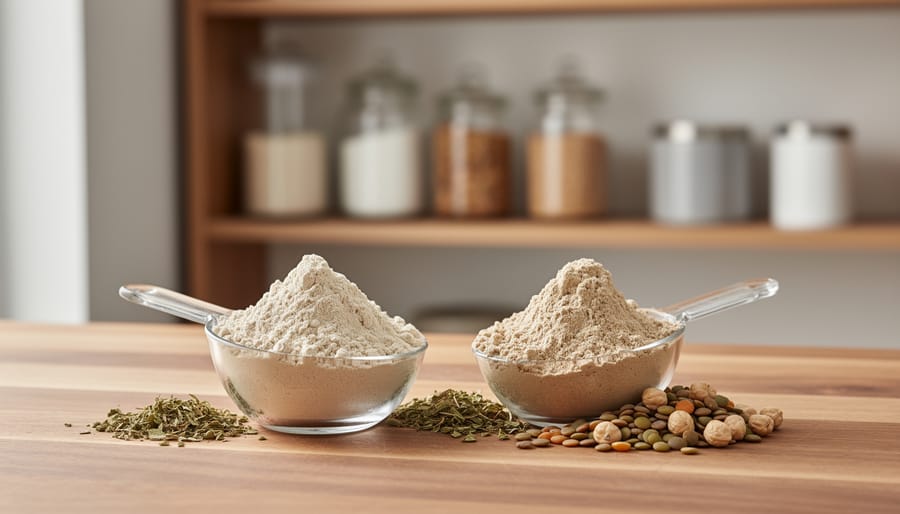
Ancient Nutrition bone broth protein cannot fit into a plant-based diet because it’s derived from animal bones and connective tissue. If you’re committed to eating plant-based, you’ll need to look elsewhere, but if you’re exploring a flexitarian approach or curious about what all the buzz is about, understanding this product category will help you make choices that truly align with your values.
I get it. You’ve probably seen bone broth protein everywhere, heard claims about gut health and collagen benefits, and wondered whether it might fill a nutritional gap in your wellness routine. Maybe someone you trust recommended it, or you’re feeling pressure from conflicting nutrition advice online. The confusion is completely understandable, especially when wellness culture often blurs the lines between trends and genuine solutions.
Here’s what matters: bone broth protein is powdered collagen and amino acids extracted by simmering animal bones for hours, much like the way our ancestors prepared nutrient-dense broths from every part of the animal. It’s packed with glycine, proline, and other compounds that supporters say benefit joint health, skin elasticity, and gut lining repair. The science on some of these claims shows promise, while other benefits remain more theoretical than proven.
But you’re here because something doesn’t sit right. Perhaps you’ve been moving toward more plant-based choices, you care deeply about animal welfare, or you simply want to know whether there’s a better path forward that doesn’t require you to compromise your principles. Like choosing to eat more of that nutrient-rich ancient root instead of processed supplements, this decision deserves honest information without judgment.
This guide will walk you through exactly what bone broth protein is, how it compares systematically to plant-based alternatives, and what options exist for different dietary approaches. You deserve clarity, not guilt.
Understanding Bone Broth Protein: What It Is and Why It Matters
Bone broth protein is a powdered supplement made by slowly simmering animal bones and connective tissue (typically from chicken, beef, or turkey) for extended periods, then dehydrating the resulting broth into a concentrated powder. This process extracts collagen, gelatin, amino acids, and minerals from the bones and cartilage, creating a protein-rich supplement that’s become increasingly popular in the wellness world.
The nutritional profile typically includes 15-20 grams of protein per serving, along with naturally occurring collagen peptides, glucosamine, chondroitin, and hyaluronic acid. These compounds support joint health, skin elasticity, gut lining integrity, and connective tissue repair. You’ll also find amino acids like glycine, proline, and glutamine, which play important roles in tissue healing and immune function. The protein content isn’t as concentrated as whey or many plant proteins, but proponents value the additional compounds that come packaged with it.
People are drawn to bone broth protein for several reasons beyond basic protein needs. Many are seeking the traditional wisdom of bone broth without the time investment of making it at home. Others are specifically after collagen support for aging skin, thinning hair, or joint discomfort. The gut-healing properties appeal to those dealing with digestive issues, since the gelatin and glutamine may help repair intestinal lining.
Here’s the fundamental reality we need to address honestly: bone broth protein is an animal product. It requires animal bones and connective tissue to exist. If you’re committed to plant-based eating for ethical, environmental, or health reasons, this product doesn’t align with those values. That’s not a judgment, just a fact. The good news? Understanding what draws people to bone broth protein helps us identify plant-based alternatives that can deliver similar benefits, which we’ll explore thoroughly in the sections ahead. You don’t have to compromise your values to support your health goals.

Key Buying Factors: What to Consider Before Choosing Any Protein Powder
Before you compare specific brands or get swayed by marketing claims, it’s worth taking a step back to identify what truly matters in a protein powder. The right choice depends on your unique body, values, and goals, not just what’s trending or what someone else swears by.
Nutritional Completeness
Look beyond the protein content listed on the front of the package. A quality protein powder should provide a complete or complementary amino acid profile that supports your body’s needs. Check the nutrition facts for protein per serving (typically 15-25 grams), and consider what else you’re getting: fiber, vitamins, minerals, or added sugars you might not want. Some powders include probiotics or digestive enzymes, which can be beneficial if your gut needs extra support.
Digestibility and How Your Body Responds
A protein powder is only valuable if your body can actually use it. Some people digest animal proteins easily while others experience bloating or discomfort. Plant proteins can be gentler on sensitive stomachs, though they may require combinations to provide all essential amino acids. Pay attention to how you feel after using a protein powder, sustained energy and comfortable digestion are good signs, while gas, bloating, or sluggishness suggest it’s not the right fit.
Sourcing and Production Practices
Where and how your protein is produced matters for both quality and ethics. For animal-based proteins like bone broth powder, look for grass-fed, pasture-raised sources. For plant proteins, organic certification helps ensure you’re avoiding pesticides. Transparency from the manufacturer about their sourcing is a green flag; vague claims or missing information should raise questions.
Key Evaluation Checklist
When comparing options, consider these factors:
- Protein content per serving and amino acid completeness
- Additional nutrients or beneficial compounds included
- Source quality (grass-fed, organic, non-GMO certifications)
- Third-party testing for purity and heavy metals
- Allergen information and potential sensitivities
- Taste and mixability in your preferred recipes
- Cost per serving, not just per container
- Alignment with your dietary philosophy and values
Personal Values Alignment
This might be the most important factor of all. If you’re plant-based for ethical reasons, an animal-derived protein powder creates internal conflict no matter how beneficial it might be. Conversely, if you prioritize bioavailability above all else, you’ll make different choices. There’s no shame in being honest about what matters most to you, in fact, that clarity will help you stick with your decision and feel good about it.
Your protein powder should support your health without compromising what you stand for.
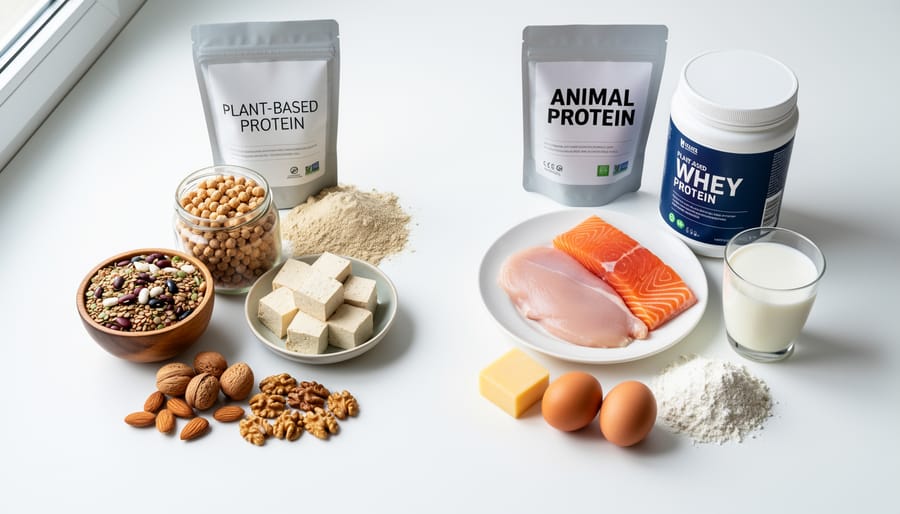
Types of Protein Powders Compared: Animal-Based vs. Plant-Based Options
Animal-Based Proteins: Bone Broth, Collagen, and Whey
Bone broth protein stands out among animal-based options because it contains not just protein but also compounds extracted during the slow-simmering process, glucosamine, chondroitin, and hyaluronic acid that support joint health. A typical serving delivers 15-20 grams of protein with minimal additives. It’s essentially dehydrated bone broth, concentrated into powder form.
Collagen peptides offer a different focus. These hydrolyzed proteins break down into smaller molecules your body absorbs more readily, targeting skin elasticity, hair strength, and connective tissue repair. Collagen contains specific amino acids, glycine, proline, and hydroxyproline, that your body uses to build collagen structures. However, it lacks tryptophan, making it incomplete as a sole protein source.
Whey protein remains the gold standard for muscle building, providing all nine essential amino acids in optimal ratios. It’s quickly absorbed, making it ideal post-workout. Whey concentrate retains some lactose and fat, while isolate removes most of both, reaching 90% protein content or higher.
Here’s what matters: these proteins serve different purposes. Bone broth protein appeals to those seeking joint support alongside protein. Collagen targets beauty and recovery benefits. Whey maximizes muscle protein synthesis. They’re all animal-derived, meaning they’re incompatible with fully plant-based eating, but understanding their distinct benefits helps you evaluate what you’re actually seeking from a protein supplement.
Plant-Based Protein Alternatives That Deliver
If you’re committed to plant-based eating but curious about what bone broth protein offers, here’s the good news: thoughtfully chosen plant proteins can deliver comparable benefits without compromising your values.
Pea protein stands out as a surprisingly complete option. It’s rich in branched-chain amino acids that support muscle recovery, and it’s naturally hypoallergenic. While not technically a complete protein on its own, it contains all nine essential amino acids in varying amounts. The lysine content is particularly impressive, making it a strong complement to grain-based foods.
Hemp protein brings more to the table than just protein. It contains beneficial omega-3 fatty acids, fiber, and minerals like magnesium and iron. The amino acid profile is remarkably balanced, and many people find it easier to digest than other plant proteins. The slightly earthy taste works beautifully in smoothies with berries or cacao.
Brown rice protein is often underestimated. It’s gentle on digestion and provides a clean amino acid profile when combined with complementary proteins. Recent processing improvements have made it less gritty than older versions.
Pumpkin seed protein deserves special mention for its magnesium and zinc content, both crucial for muscle function and immune health. It’s also one of the more sustainable protein sources available.
Here’s what I’ve learned through personal experience: blended plant proteins consistently outperform single-source options. Quality formulas combine pea, rice, hemp, and seed proteins to create a complete amino acid profile that rivals any animal protein. They often include digestive enzymes and probiotics too, addressing gut health concerns that sometimes draw people to bone broth protein.
The key is choosing whole-food-based formulas without excessive fillers or sweeteners. Your body can absolutely thrive on plant protein when you select quality sources.
Recommendations: Best Protein Choices for Different Goals and Values

For Committed Plant-Based Eaters
If you’re committed to eating plant-based, bone broth protein simply isn’t an option, but you can absolutely get complete, high-quality protein and similar wellness benefits from plant sources.
The most effective approach combines complementary plant proteins. A blend of pea and rice protein delivers all essential amino acids in optimal ratios, rivaling any animal protein. Look for products like Orgain Organic Protein or Garden of Life Raw Organic Protein that combine multiple plant sources in one powder.
For collagen-like benefits that bone broth protein promises, focus on supporting your body’s natural collagen production. Combine vitamin C-rich foods with plant proteins, and consider adding a vegan collagen booster containing silica, vitamin C, and amino acids like glycine and proline from plant sources.
Hemp protein stands out for its omega-3 fatty acids and easily digestible protein. Pumpkin seed protein offers zinc and magnesium alongside complete protein. Rotating between different plant proteins throughout the week ensures you’re getting diverse nutrient profiles.
The real advantage? Plant-based proteins come with fiber, antioxidants, and phytonutrients that animal proteins lack. You’re not compromising, you’re choosing a more nutritionally complete approach that aligns with your values.
For Flexitarians Exploring Options
If you’re comfortable with occasional animal products but plants form the foundation of your eating, you have unique flexibility in choosing protein powders that serve different purposes.
Consider using plant-based proteins as your daily foundation, pea-hemp blends work beautifully in morning smoothies and provide complete amino acids without compromise. Reserve bone broth protein for specific situations where you’re drawn to its collagen content, perhaps a few times per week during periods of focused joint recovery or intensive training.
This approach honors your plant-forward values while acknowledging that occasional animal products can serve targeted wellness goals. You’re not locked into all-or-nothing thinking.
A practical rotation might look like plant protein Monday through Friday, bone broth protein on weekend mornings after long runs or hikes. Or use bone broth protein during winter months when you crave its warmth and stick with lighter plant options in summer.
Listen to your body’s response to different proteins. Some flexitarians find they feel best with 80-90% plant protein and 10-20% strategic animal sources. Others discover they thrive on plants alone and realize bone broth protein was never necessary, just an experiment worth trying.
For Specific Health Goals
When you’re choosing protein based on specific health objectives, here’s what actually works:
Joint Health and Mobility
Plant-based proteins rich in antioxidants, particularly pea and hemp, support collagen synthesis your body needs for joint health. Pair them with vitamin C-rich foods like berries or citrus. Add a collagen-boosting supplement with silica and vitamin C if you want targeted support, or include collagen-rich whole foods like bone broth alongside your plant proteins if you’re flexible.
Gut Healing
Hemp and pea proteins are naturally easier to digest than whey or soy. Look for products with added digestive enzymes and probiotics. Start with half servings to assess tolerance, and always mix protein powder with gut-healing whole foods like leafy greens and fermented vegetables.
Athletic Performance and Muscle Building
Blended plant proteins offer complete amino acid profiles comparable to whey. Choose formulas with added BCAAs if you’re training intensely. Timing matters more than source: consume protein within two hours post-workout, aim for 20-25 grams per serving, and spread intake throughout the day rather than loading one meal.
Common Mistakes to Avoid When Choosing Protein Powder
Choosing a protein powder can feel overwhelming with endless options and bold marketing claims competing for your attention. I’ve seen countless people make decisions they later regret, not because they chose the “wrong” product, but because they didn’t ask themselves the right questions first. Here are the pitfalls to watch for:
- Falling for vague health claims without checking the actual ingredient list and nutritional facts
- Choosing the cheapest option without considering quality, sourcing, or what fillers might be hiding inside
- Ignoring how the product aligns with your core values around animal welfare, sustainability, or dietary philosophy
- Expecting one supplement to solve complex health issues that require a whole-foods foundation
- Buying based on influencer recommendations without researching whether it fits your specific needs
- Overlooking potential allergens or sensitivities, especially with blended formulas
- Forgetting to check third-party testing and quality certifications
The biggest mistake I see is people choosing a protein powder that contradicts their deeper values. If you’re committed to plant-based eating for ethical reasons, no amount of collagen or joint health benefits will make you feel good about using bone broth protein long-term. That internal conflict creates stress that undermines any physical benefits.
Another common trap is expecting immediate, dramatic results. Protein powders are supplements, not magic potions. They work best as part of a balanced diet built on whole foods, adequate sleep, and consistent movement. Think of them as convenient nutrition support, not a shortcut to health.
Price matters, but it shouldn’t be your only consideration. A slightly more expensive protein powder with clean ingredients, transparent sourcing, and third-party testing often provides better value than a bargain option loaded with fillers and questionable additives. Calculate cost per serving rather than just looking at the package price, and weigh that against the quality you’re getting.
How to Incorporate Protein Powder Into Your Routine
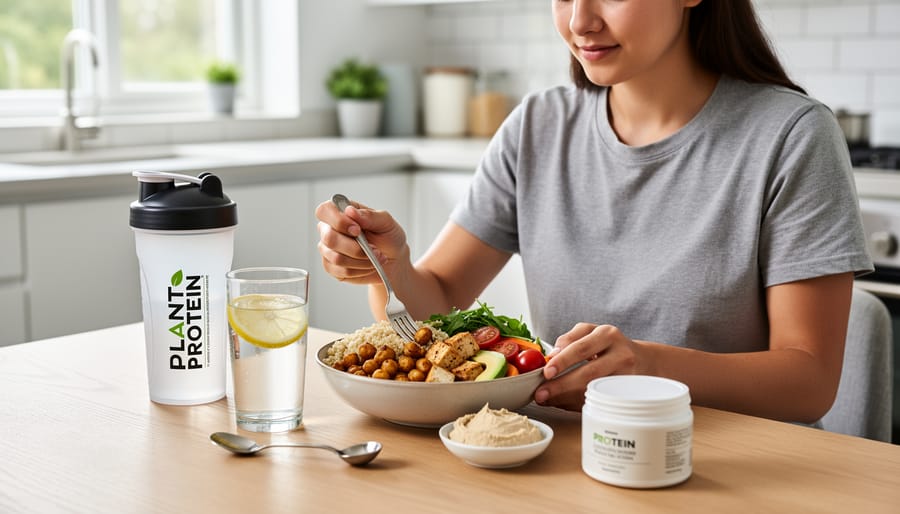
The easiest way to use protein powder is stirring it into your morning smoothie, but that’s just the beginning. You can blend plant-based protein powders into pancake or waffle batter (replace a quarter cup of flour with protein powder), stir them into oatmeal while it’s still hot, or mix them into energy balls with dates and nut butter. They work beautifully in homemade protein bars, and unflavored varieties disappear into soups, stews, and even pasta sauces for an extra nutrition boost.
For summer hydration try blending protein powder with frozen fruit and coconut water for a refreshing post-workout slush. In cooler months, stir it into warm almond milk with cinnamon and a touch of maple syrup. Pair your protein with quality whole foods for better absorption and sustained energy. Combining protein powder with plant-based carbs like sweet potato, quinoa, or yam nutrition facts show excellent nutrient profiles creates the ideal recovery meal after exercise.
Timing matters less than consistency. Some people prefer protein first thing in the morning to stabilize blood sugar and curb cravings, while others find it most helpful post-workout to support muscle recovery. Listen to your body and notice when you feel best. Standard serving sizes run 20 to 30 grams of protein, but you might need less if you’re pairing the powder with protein-rich whole foods like nuts, seeds, or legumes throughout the day.
The key is making it easy and enjoyable enough that you’ll actually do it regularly, not perfecting some complicated system that falls apart by Wednesday.
Frequently Asked Questions
Can I get complete protein from plant-based powders alone?
Yes, many plant-based protein blends combine complementary sources like pea and rice to provide all nine essential amino acids in optimal ratios. Single-source plant proteins can also be complete when you vary your protein sources throughout the day.
Will plant proteins help my body make collagen like bone broth protein does?
Your body synthesizes its own collagen from amino acids, vitamin C, zinc, and copper, all available from plant sources. While bone broth provides collagen directly, research shows consuming collagen-rich foods doesn’t guarantee your body uses it for skin or joints; focusing on collagen-building nutrients may be more effective.
Do bone broth and plant-based proteins taste different?
Bone broth protein typically has a savory, slightly meaty flavor that works well in soups or broths, while plant proteins vary widely, pea can be earthy, hemp nutty, and rice neutral. Many people find flavored versions of either type mask the base taste effectively in smoothies.
Is bone broth protein worth the higher price compared to plant options?
Bone broth protein often costs more per serving than basic plant proteins, though premium plant blends with added nutrients can be comparable. The value depends on whether the specific amino acid profile and potential joint-supporting compounds align with your health goals and justify the cost difference for your situation.
Beyond these common questions, many people wonder about transitioning between protein types. If you’re moving from bone broth protein to plant-based alternatives, give your taste buds and digestive system two to three weeks to adjust. Start by mixing half your usual bone broth protein with half plant protein, gradually shifting the ratio. Pay attention to how your body responds, some people notice changes in digestion, energy, or satiety that help guide their long-term choice.
When comparing nutrition facts on labels, remember that protein content per serving matters less than how well your body can use it and whether the product aligns with your values. A 20-gram serving of well-absorbed plant protein that you feel good about consuming will serve you better than 25 grams of animal protein that conflicts with your ethics or sits heavy in your stomach. Trust your body’s feedback as much as the numbers on the package.
Choosing a protein powder isn’t just about nutrition labels and amino acid profiles. It’s about finding what works for your body, honors your values, and supports the life you want to live. If you’ve made it through this guide, you now have the information to make that choice with confidence.
Maybe you’ve decided that a plant-based protein blend aligns perfectly with your commitment to eating from the earth. Maybe you’re curious about incorporating bone broth protein occasionally while keeping plants at the center of your plate. Or perhaps you’re still figuring out what feels right, and that’s completely okay. There’s no universal answer here, only what’s true for you, right now.
Your body is your best teacher. Pay attention to how different proteins make you feel. Notice your energy levels, your digestion, your recovery after workouts. These signals matter more than any expert opinion or trendy superfood claim.
I’ve watched thousands of people transform their health, and the ones who succeed aren’t following rigid rules. They’re listening, adjusting, and treating themselves with compassion along the way. Some days you’ll get it right. Other days you’ll learn something new. Both are valuable.
Whatever protein powder ends up in your pantry, make it part of a bigger picture that includes whole foods, joyful movement, and choices that make you feel good about yourself. That’s where real wellness lives.