

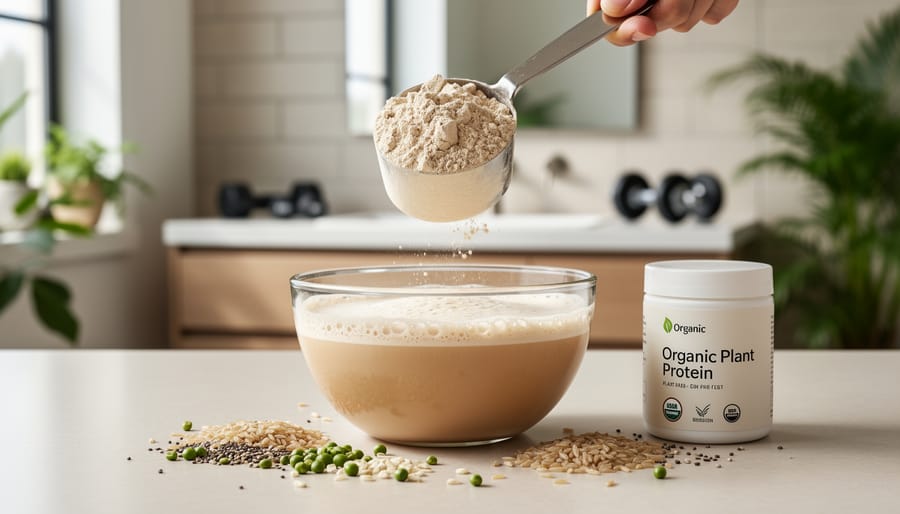
Choosing a plant-based protein powder means weighing taste, nutritional completeness, ingredient quality, and digestibility against your wellness goals. Orgain Organic Plant-Based Protein Powder delivers 21g of complete vegan protein per serving, backed by USDA Organic certification and 7g of prebiotic fiber to support gut health. Whether you’re transitioning to a plant-based diet basics approach or already deep into your wellness journey, understanding what separates a high-quality powder from a chalky, under-delivering option can transform your nutrition routine.
I’ve spent years helping clients find protein powders that actually support their bodies instead of just filling the gap on paper. The truth? Most people grab whatever’s on sale or trending, only to discover it tastes like cardboard or leaves them bloated. Orgain caught my attention because it tackles the two biggest complaints I hear: it blends pea, brown rice, and chia proteins for a complete amino acid profile, and its real-ingredient formulation means you’re getting fudgy, decadent flavor without artificial sweeteners or a gritty aftertaste.
With less than 1g of sugar and only 150 calories per scoop, this powder fits into weight management, muscle recovery, and general wellness plans without the blood sugar rollercoaster. The prebiotic and fiber blend also addresses the digestive discomfort that often sidelines plant-based newcomers. Available in three container sizes to match your commitment level, Orgain offers flexibility for both curious beginners and committed users who blend daily smoothies.
What to Look for in Plant-Based Protein Powder
When I switched to plant-based eating five years ago, I thought all protein powders were basically the same. I grabbed the cheapest tub at the grocery store and spent three weeks choking down gritty shakes that left me bloated and discouraged. That experience taught me what really matters when choosing a powder, and it’s not just the protein count on the front label.
The factors that separate a great plant-based protein powder from one that’ll gather dust in your pantry come down to a combination of nutrition, quality, and daily usability. Here’s what deserves your attention:
- Protein content per serving, aim for at least 20g to support muscle recovery and satiety
- Fiber and prebiotic support for digestive comfort and gut health
- Sugar content, look for less than 2g to avoid blood sugar spikes
- Calorie count that fits your daily needs, typically between 120-180 per serving
- Organic certification to minimize pesticide exposure
- Taste and mixability for consistent use
- Clean ingredient list without artificial additives
- Price per serving, not just container price
Protein content is your starting point. Orgain Organic Plant-Based Protein Powder delivers 21g of vegan protein per serving, which sits right in the sweet spot for most people. That amount supports muscle maintenance whether you’re lifting weights or just staying active throughout your day. Less than 15g won’t give you much benefit, while amounts over 30g can be overkill unless you have specific athletic goals.
Don’t overlook digestive support. Plant proteins can be harder to digest than animal proteins, so fiber becomes crucial. Orgain includes 7g of prebiotic plus fiber per serving, which helps your gut process the protein smoothly and feeds beneficial bacteria. I wish I’d known this when I first started, it would’ve saved me from those uncomfortable afternoons.
Sugar content tells you whether you’re drinking protein or dessert. Less than 1g sugar, like what you’ll find in Orgain’s formula, means you’re getting nutrition without the crash. Some powders pack in 10g or more, which defeats the purpose if you’re watching your blood sugar or trying to reduce cravings.
Calories matter for different reasons depending on your goals. At 150 calories, a serving can work as a light meal replacement or post-workout recovery without throwing off your day. If you’re using protein powder to supplement meals rather than replace them, you might want something closer to 120 calories.
Organic certification isn’t just a marketing badge. USDA Organic means the ingredients were grown without synthetic pesticides, which matters when you’re consuming something daily. You’re investing in your health, so the quality of what goes into your body counts.
Taste and mixability determine whether you’ll actually use what you buy. Real ingredients for flavor, rather than artificial sweeteners, make a noticeable difference. A powder that clumps in water or leaves a chalky aftertaste won’t last in your routine, no matter how perfect its nutrition profile looks.
Finally, calculate price per serving, not just container cost. At $37.99 for Orgain’s standard size, you’re looking at roughly $1.50 per serving, reasonable for organic, high-quality nutrition. A cheaper tub might cost less upfront but deliver fewer servings or lower quality.
Types of Plant-Based Protein Sources Compared
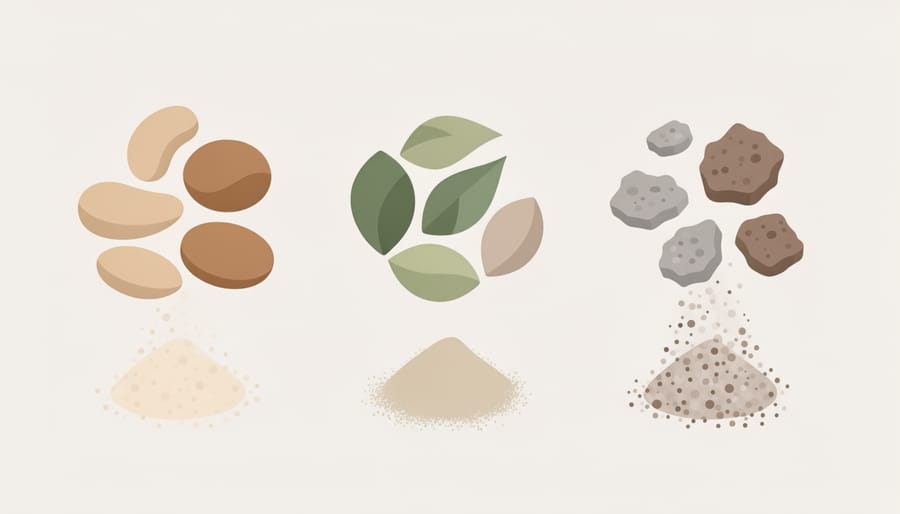
Not all plant proteins are created equal, and understanding the differences can help you find your perfect match. Each type brings its own nutritional strengths and flavor profile to the table.
Pea protein has become one of the best plant-based proteins for good reason. It delivers a complete amino acid profile, meaning it contains all nine essential amino acids your body can’t make on its own. Most pea protein powders provide 15-25 grams of protein per serving, and they’re naturally hypoallergenic, making them gentle on sensitive stomachs. The taste is mildly earthy and blends well into smoothies. You’ll find pea protein works particularly well if you’re avoiding soy or dairy.
Brown rice protein offers another solid option, especially when paired with pea protein to create a more complete amino acid profile. It typically provides 12-22 grams of protein per serving and digests easily for most people. The flavor tends to be slightly chalky with a subtle grain taste, though modern processing has improved this considerably. This protein suits anyone with multiple food sensitivities since rice is one of the least allergenic foods.
Hemp protein brings unique benefits beyond just protein content. While it delivers 10-15 grams of protein per serving (lower than pea or rice), it’s rich in omega-3 fatty acids, magnesium, and fiber. The hemp leaves nutrition contributes additional micronutrients in whole-plant formulations. Hemp has a distinct nutty, grassy flavor that you’ll either love or need to mask with other ingredients. It’s ideal for those prioritizing overall nutrition density over maximum protein concentration.
Soy protein remains controversial, though it’s one of the few single-source plant proteins that’s truly complete. It provides 20-25 grams of highly bioavailable protein per serving. The taste is fairly neutral when processed well. Some people avoid soy due to concerns about phytoestrogens or GMOs, while others appreciate its muscle-building amino acid profile similar to whey.
| Protein Type | Protein per Serving | Digestibility | Best For |
|---|---|---|---|
| Pea | 15-25g | Excellent, hypoallergenic | Sensitive stomachs, complete nutrition |
| Brown Rice | 12-22g | Very good, gentle | Multiple food sensitivities |
| Hemp | 10-15g | Good, fiber-rich | Overall nutrition, omega-3 needs |
| Soy | 20-25g | Excellent absorption | Muscle building, complete protein |
| Blended | 18-25g | Excellent, balanced | Optimal amino acids, varied nutrition |
Blended formulas combine two or more plant proteins to create a superior amino acid profile and more balanced nutrition. Products like Orgain use this approach, mixing complementary proteins to ensure you get all essential amino acids in optimal ratios. Blended powders typically offer 18-25 grams of protein per serving with better overall digestibility than single-source options. The taste tends to be more neutral since no single plant flavor dominates.
Your best choice depends on your specific needs. If digestive comfort tops your list, start with pea or blended formulas. If you want maximum protein concentration, look at pea or soy. For overall nutritional density including healthy fats and minerals, hemp deserves consideration despite its lower protein content.
Understanding Orgain Organic Plant-Based Protein Powder
Who This Powder Works Best For
This powder fits naturally into several different wellness journeys, and you might see yourself in more than one of these profiles.
If you’re active, whether you’re training for a half-marathon, taking regular yoga classes, or just enjoying daily walks, that 21g of protein supports muscle recovery and keeps you energized. Your body rebuilds after movement, and plant-based protein gives it what it needs without weighing you down.
The 7g of prebiotic and fiber makes Orgain particularly valuable if digestive health is a priority for you. Maybe you’ve struggled with bloating from other protein powders, or you’re simply committed to feeding your gut microbiome. That fiber content supports regularity and comfort, things we don’t always talk about but absolutely matter in daily wellness.
For those watching sugar intake, whether you’re managing blood sugar, reducing cravings, or simply choosing more balanced nutrition, less than 1g of sugar per serving means you can add this to your routine without the spike and crash. It works with your goals instead of against them.
And honestly? This powder is for anyone who wants nutrition to feel easier. The USDA Organic certification means you’re not second-guessing ingredients. The 150 calories per serving fits into varied eating patterns. If you’re exploring plant-based eating, transitioning gradually, or already committed to vegan nutrition, having a reliable powder on hand removes the daily mental load of “am I getting enough protein?”
You don’t need to be an athlete or have perfect habits to benefit from this.
How to Incorporate Plant-Based Protein Powder Into Your Routine
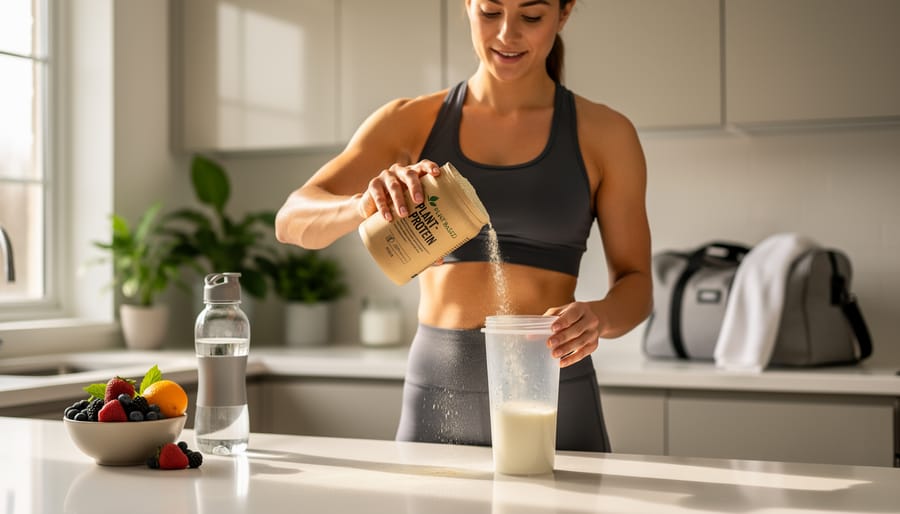
The best way to make protein powder a natural part of your day is to think beyond the basic scoop-and-water shake. When you start a plant-based diet finding convenient ways to meet your protein needs helps you be consistent without feeling like you’re following strict rules.
Timing matters more than you might think. Mixing a scoop into your breakfast smoothie gives you sustained energy through the morning, while a post-workout shake within an hour of exercise supports muscle recovery. Some people prefer an afternoon blend to curb cravings before dinner. Listen to your body and notice when you feel most satisfied.
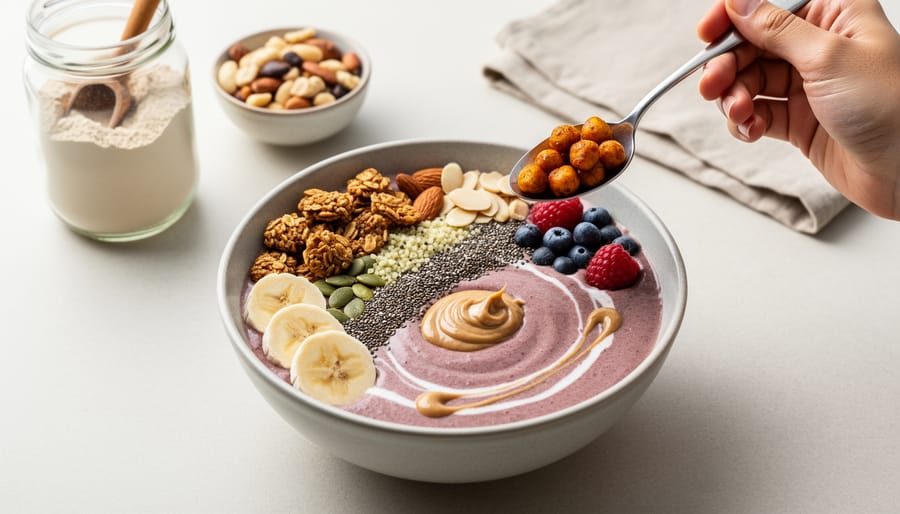
Getting creative in the kitchen transforms protein powder from a supplement into a versatile ingredient. Blend it into smoothie bowls topped with fresh berries and granola, stir it into oatmeal while it’s still warm, or mix it into pancake batter for a protein-packed breakfast. Energy balls made with dates, nut butter, and a scoop of powder make grab-and-go snacks that actually keep you full.
Here’s a simple recipe I return to constantly: blend one frozen banana, a handful of spinach, one scoop of Orgain powder, a tablespoon of almond butter, half a cup of plant milk, and ice. Pour it into a bowl and top with sliced fruit, chia seeds, and coconut flakes. It takes five minutes and feels like a treat.
Storage is straightforward but important. Keep your container in a cool, dry spot away from direct sunlight, seal it tightly after each use, and use a clean, dry scoop every time to prevent moisture from getting in. Most powders stay fresh for months when stored properly, though checking the date on your specific container gives you the exact timeline.
Adjust your serving size based on what your body needs, not what the label dictates. Someone recovering from a long run might want a full scoop, while someone adding it to an already protein-rich meal might use half. There’s no single right amount for everyone.
Common Mistakes to Avoid When Buying Plant-Based Protein
Choosing your first plant-based protein powder can feel overwhelming, and I’ve seen countless people make decisions they later regret, not because they chose poorly, but because they didn’t have the right information to choose confidently. Let me walk you through the most common pitfalls so you can skip the trial-and-error phase I went through.
Pitfalls to Watch For:
- Choosing based solely on the lowest price without checking protein content per serving or ingredient quality
- Ignoring fiber content, which affects both digestive comfort and satiety
- Overlooking organic certification when you’re specifically seeking clean ingredients
- Not reading the full ingredient list and missing fillers, artificial sweeteners, or additives
- Expecting dramatic results within days instead of giving your body time to adjust and benefit
- Assuming all plant proteins mix the same way, leading to clumpy disappointment
- Buying a large container of an unfamiliar flavor without trying a sample first
The price-focused mistake deserves special attention. When you see Orgain’s plant-based powder at $37.99, compare what you’re actually getting, 21g of protein, 7g of fiber, and organic certification, against cheaper options that might offer 15g of protein with no fiber support. The real value shows up in the per-serving nutrition, not just the sticker price.
I’ve also watched friends ignore their digestive tendencies entirely, then wonder why their new powder causes bloating. If you’ve had sensitivity to beans or legumes, a pea protein blend might need a gradual introduction, starting with half servings. Your body will tell you what works, but you need to listen patiently.
Marketing language can be seductive. Words like “superfood blend” or “athletic formula” sound impressive, but check whether the product backs them up with actual certifications and transparent nutrition facts. USDA Organic certification means something verifiable, while vague wellness claims might not.
Recommendations by Use Case
For daily wellness support, Orgain’s balanced profile shines, 21g protein with 7g fiber keeps you satisfied between meals and supports consistent energy without blood sugar spikes. I’ve recommended it to clients who struggle with mid-afternoon crashes.
If post-workout recovery is your priority, this powder delivers enough protein to support muscle repair while the fiber aids nutrient absorption. Mix it within 30 minutes of finishing your workout for optimal timing.
Budget-conscious shoppers get solid value at $37.99, especially considering the organic certification and digestive support ingredients. Start with the medium container to test compatibility before committing to the larger size.
Those managing sugar intake will appreciate the less-than-1g sugar content, it’s genuinely low, not just “reduced.” This makes it suitable for blood sugar-sensitive individuals or anyone following a lower-carb approach.
For digestive sensitivity, the prebiotic and fiber blend supports gut health, though introduce it gradually if you’re not used to higher fiber intake. Start with half servings for the first week.
Active parents juggling family nutrition can batch-prep smoothies or protein-packed snacks using the larger container, making nutritious options accessible when time is tight.
Making Your Choice: Questions to Ask Yourself
How much protein do I actually need each day?
Most people need 0.8 to 1 gram of protein per kilogram of body weight, which translates to roughly 54 to 68 grams daily for a 150-pound person. If you’re active or building muscle, you might aim for the higher end, but a single serving of Orgain’s powder with 21g gets you about a third of the way there without needing to stress over every meal.
What if I have digestive sensitivities to protein powders?
Start with a half serving to see how your body responds, especially if you’ve had issues with bloating or gas in the past. The 7g of prebiotic plus fiber in Orgain can actually support digestion, but introducing it gradually gives your gut time to adjust rather than overwhelming your system all at once.
Is organic certification worth paying more for?
That depends on your priorities and budget. Organic certification means the ingredients weren’t treated with synthetic pesticides or grown with GMOs, which matters to many people who are choosing plant-based options for health or environmental reasons. If your budget is tight, you might decide that getting enough protein consistently matters more than the organic label, and that’s a valid choice too.
How do I know if a powder will taste good before buying it?
Look for reviews mentioning mixability and flavor in the context you’ll use it, whether that’s with water, milk alternatives, or blended into smoothies. Orgain uses real ingredients for its fudgy flavor profile, which tends to work well in chocolatey recipes, but taste is personal. If you’re unsure, starting with a smaller container size lets you test without committing to a massive tub.
Can I use plant-based protein powder if I’m not athletic?
Absolutely. Protein supports everyday functions like maintaining muscle mass, keeping you satisfied between meals, and providing building blocks for everything from hair to hormones. You don’t need to be training for anything to benefit from convenient, quality protein in your morning smoothie or afternoon snack.
The questions above address concerns I hear often from people exploring plant-based protein for the first time. You might find that some resonate more than others depending on where you are in your wellness journey. What matters most is being honest with yourself about what you’re looking for, whether that’s digestive support, clean ingredients, taste, budget considerations, or just simple convenience.
Think about your current routine and what would actually make you use the powder consistently. A container that sits untouched in your pantry because you don’t like the taste or it doesn’t fit your schedule isn’t a good value at any price. On the other hand, something that becomes a reliable part of your day, that you genuinely enjoy and that supports your goals, is worth the investment even if it costs a bit more upfront.
Finding the right plant-based protein powder isn’t about discovering one perfect product that works for everyone. It’s about understanding your body, your goals, and what matters most to you. Maybe that’s digestive support, maybe it’s organic certification, or maybe it’s simply finding something that tastes good enough to use consistently.
I’ve watched countless people overthink this decision, waiting for the “perfect” choice before taking action. Here’s what I’ve learned: the best protein powder is the one you’ll actually use. Start with what makes sense for your current needs and budget. Try it for a few weeks. Notice how you feel, how your body responds, and whether it fits naturally into your routine.
If Orgain’s combination of 21g protein, 7g fiber, and organic ingredients aligns with what you’re looking for, it’s worth trying. If another option speaks to you more, trust that instinct. Your nutritional journey is yours alone, and it’s okay to adjust course as you learn what works best for your body. Give yourself permission to experiment, to change your mind, and to prioritize what truly serves your wellness rather than what sounds impressive on a label.