

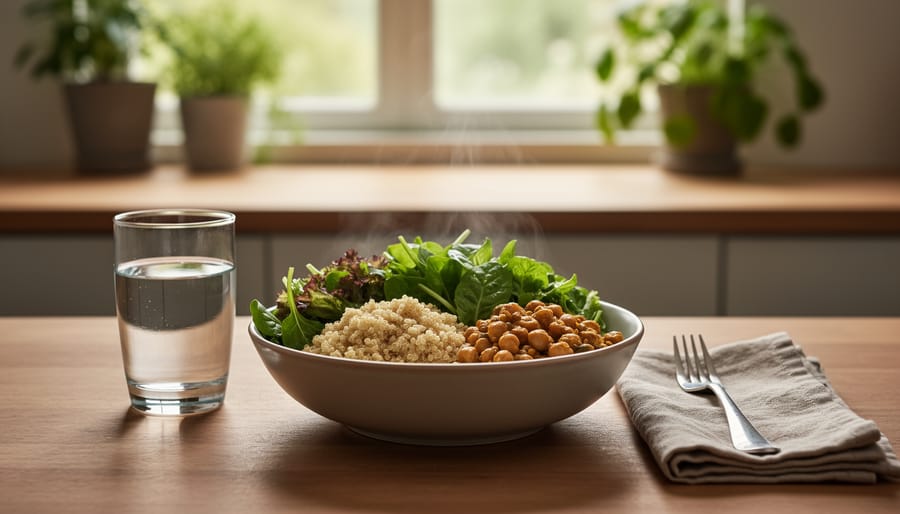
Zentein nutrition is an emerging, loosely defined term for an approach to eating that centers on calm, balanced, protein-aware nourishment, often built around plant-based foods and tailored to how your body actually feels. There’s no single official definition yet, and that’s worth knowing upfront. Different people use the word to describe slightly different things, from a way of choosing protein sources to a broader mindset about steady energy and mindful meals.
So why does it matter? Because most of us want food guidance that fits our own lives, not a rigid plan that works for someone else. Zentein nutrition leans toward that kind of flexibility. It asks what your body needs, what you enjoy eating, and how you can build meals that leave you feeling grounded rather than stressed.
In this article, we’ll break down what the term generally means, how it works in practice, the main components people associate with it, and simple everyday ways to use it. We’ll also share a plant-based recipe you can try this week. Whether it ends up being a perfect fit or just a source of fresh ideas, you’ll leave with a clear picture and a few gentle next steps.
What Zentein Nutrition Means in Plain Language
Why This Idea Is Catching People’s Attention
If you’ve bounced between diets that felt like a full-time job, you’re far from alone. Many people hit a wall with strict rules, and that burnout often sparks a search for something calmer. Zentein nutrition seems to be catching on because it promises steadiness instead of pressure. People want food that fits real life, supports a clearer mind, and doesn’t leave them feeling like they failed by Wednesday.
Plant-based eating adds to the appeal. It feels approachable, colorful, and kind. And more of us are realizing that personalized nutrition beats copying someone else’s rulebook.
A few terms you’ll likely run into along the way:
- Mindful eating
- Paying attention to hunger, fullness, and enjoyment while you eat, without judgment.
- Whole foods
- Foods that are close to their natural form, like vegetables, beans, and whole grains.
- Plant-forward
- An eating style that centers plants without necessarily excluding everything else.
- Nutrient density
- How many vitamins, minerals, and other helpful nutrients a food offers for its calories.
Wanting something sustainable isn’t picky. It’s a smart instinct.
How Zentein Nutrition Works: The Core Ideas Behind It
Here’s the part that tends to surprise people: zentein nutrition isn’t really about a set of rules. It’s about a handful of everyday habits, and those habits do the heavy lifting. Because the term is still emerging, you’ll see it described a little differently depending on who you ask. Most descriptions circle the same core ideas, though:
- Balance: Foods are added in, not banned, so your plate feels satisfying instead of strict.
- Mindfulness: You pay gentle attention to hunger and fullness cues instead of eating on autopilot.
- Nutrient density: You lean on foods that pack plenty of nourishment, like vegetables, legumes, and whole grains.
- Consistency: Steady, repeatable choices matter more than one “perfect” day.
- Flexibility: The approach bends around your culture, budget, schedule, and preferences.
Notice what’s missing: calorie counts, forbidden foods, and a strict meal schedule. That’s intentional. How it works is simply by making these ideas part of your regular routine, one meal at a time. And because every body and life looks different, what feels balanced for one person may look quite different for another.
Registered dietitians often point out why this gentler framing holds up. Habits you can actually keep tend to beat intense plans that burn out in a few weeks, and a rigid approach can make food feel stressful rather than supportive. A small change you repeat for months usually does more than a dramatic overhaul you abandon by week three.
I know this from my own life. For years I swung between “being good” and “falling off the wagon,” and every slip felt like failure. Things shifted when I stopped chasing perfect and started asking a kinder question: what would feel nourishing right now? Some days that was a big colorful salad, other days it was toast and soup. Over time, those small, steady choices added up to something that finally felt sustainable.
Key Components of a Zentein-Style Plate
A Simple Plant-Based Meal to Try
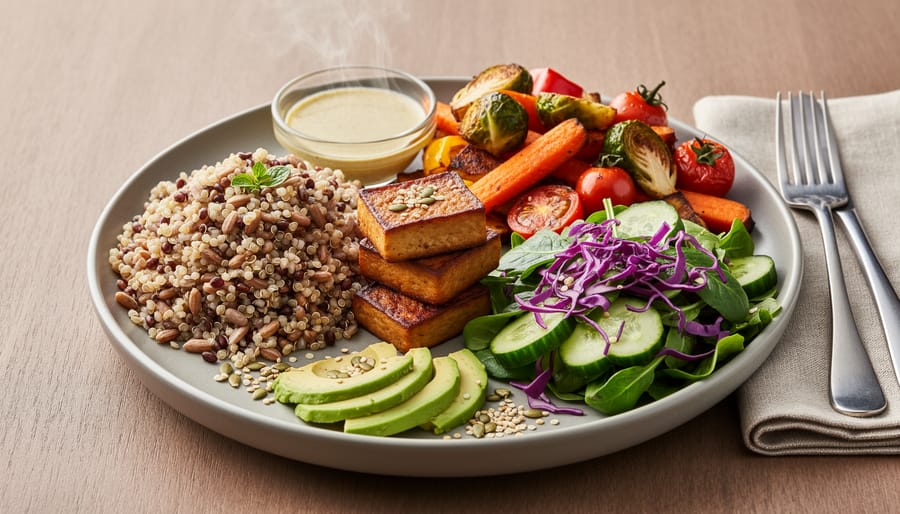
Here’s a bowl that captures the whole idea: colorful, filling, and easy to make your own. Think of it as a starting point rather than a rulebook.
Roasted Veggie and Chickpea Grain Bowl (serves 2)
Ingredients:
– 1 cup cooked brown rice or quinoa
– 1 can chickpeas, drained and rinsed
– 2 cups chopped vegetables (broccoli, bell pepper, and zucchini work well)
– 1 medium sweet potato, cubed, one of those nutrient-dense roots that roast up soft and sweet
– 1 tablespoon olive oil, plus salt and pepper
– Dressing: 2 tablespoons tahini, juice of half a lemon, 1 tablespoon water, a pinch of salt
Method:
1. Heat your oven to 425°F (220°C). Toss the vegetables, sweet potato, and chickpeas with olive oil, salt, and pepper on a baking sheet.
2. Roast for 25 to 30 minutes, stirring once, until golden at the edges.
3. Whisk the dressing ingredients until smooth, adding a splash more water if it’s too thick.
4. Spoon the grains into bowls, top with the roasted mix, and drizzle with dressing.
Swaps to make it yours: use lentils or white beans instead of chickpeas, swap the grains for farro or even cauliflower rice, or trade the tahini dressing for a simple olive oil and lemon blend. A handful of fresh greens or a sprinkle of seeds adds extra crunch and color.
How Zentein Nutrition Fits Into Everyday Life
Bringing zentein nutrition into daily life is less about overhauling everything and more about small, repeatable habits. Think of it as a gentle framework you can bend around your schedule, not a rulebook you have to follow perfectly.
Weekly meal planning is a good place to begin. Pick two or three simple meals you enjoy, like the grain bowl above, and prep a few staples on a quiet afternoon: cooked grains, roasted vegetables, a pot of beans. Mix and match them through the week so dinner doesn’t feel like a decision you have to make from scratch every night.
Mindful mealtimes matter too, even in small doses. Sit down when you can, put the phone aside for a few bites, and notice how hungry or full you feel. Steady routines like these can also support your mental wellness, because predictable meals take some of the mental load off a busy day.
Busy weeks call for flexibility. A smoothie, a hearty salad with canned chickpeas, or leftovers repurposed into a wrap all count. Keep hydration basics in mind too, like keeping a water bottle nearby, since small habits tend to stick best.
It’s also worth remembering that this approach can complement, not replace, personalized guidance. If you have medical conditions, allergies, or specific goals, working with a registered dietitian or a nutrition coach can help you tailor things to your body.
Questions People Often Ask About Zentein Nutrition
Is zentein nutrition a diet?
Not in the traditional sense. It’s better understood as a flexible, whole-food-centered way of eating, without strict rules, calorie counting, or off-limits foods.
Is it only for vegetarians or vegans?
No. Plant-based eaters can follow it easily, but anyone can adapt the ideas to fit their own preferences, culture, and budget.
Is there scientific research behind it?
Zentein nutrition itself is a newer term and isn’t a standardized, formally studied framework. The habits it echoes, like eating more whole foods, balancing your plate, and paying attention to hunger and fullness, are widely supported in general nutrition guidance.
Can it work with medical conditions or allergies?
It may be adaptable, but your needs are personal. Please check with a registered dietitian or doctor before making changes, especially if you manage a health condition or food allergy.
So where does that leave you if you’re ready to begin? Start small. Pick one habit that feels doable this week, maybe adding an extra serving of vegetables to dinner or slowing down for a few unhurried bites at lunch. There’s no deadline and no perfect way to do this, and it’s perfectly fine to take your time. If you’re unsure which steps fit your life, a registered dietitian can help you build a plan around your goals, your body, and the foods you genuinely enjoy.
At the end of the day, zentein nutrition is less about following a strict plan and more about building a way of eating that feels calm, balanced, and genuinely yours. Among all the Innovative Nutrition Approaches out there, the ones that tend to last are the ones that fit your life, your tastes, and your needs, not the ones that demand perfection.
So start small. Add a colorful vegetable to one meal. Pause for a few breaths before you eat. Try the grain bowl on a quiet weeknight and swap in whatever you love. These little choices add up, and a missed day doesn’t undo them. Be patient with yourself along the way, and lean on a registered dietitian or doctor when you want guidance tailored to you.
When you’re ready for more ideas, we’d love to have you explore the plant-based recipes and wellness guidance here on the site. You’ve already taken a thoughtful first step just by learning.